
Pakistan: Oral Nicotine Pouches in a LMIC


AT A GLANCE
>25m
Current tobacco consumers in Pakistan
7th
Highest tobacco use, globally
Pakistan is one of the largest tobacco-consuming countries in the world. It is estimated that 25.4 million people (17%) currently use tobacco products in Pakistan, of which around 56% are adult cigarette smokers (9.6% smoking prevalence)[1]. The remaining 44% of the tobacco consumers in Pakistan predominantly use traditional oral tobacco-containing products such as Paan, Naswar and Gutka, which are known to have high levels of toxicants[2]; of these, Naswar is the predominantly used product[3].
Thus, the opportunity for Tobacco Harm Reduction (THR) impact in Pakistan is significant. Pakistan has the 7th highest tobacco use globally, and with a significant proportion of that tobacco use being attributed to traditional oral tobacco-containing products often made in cottage industries[3], the introduction of lower risk*† profile Oral Nicotine Products could help drive THR outcomes.
The Health Impact of Paan, Naswar and Gutka
Traditional oral tobacco-containing products, such as Paan, Naswar and Gutka, contain high levels of carcinogens such as heavy metals and tobacco-specific nitrosamines (TSNAs)[4],[5],[6],[7], [8],[9]. According to the World Health Organization’s (WHO) ‘Cancer Today’ data, in 2022, Pakistan had the 4th highest lip and oral cavity cancer incidence rate, globally[10].
The high levels of toxicants in Paan, Naswar and Gutka contrast with Oral Tobacco Products such as snus[8],[11],which in some countries have regulated limits for some toxicants[12]. According to the WHO’s data, oral cancer is the second most common in Pakistan and accounted for >8% of all cancer-related deaths in 2022[13]. By contrast, Sweden, a country where Oral Tobacco Product use prevalence is twice as great as Pakistan (16% vs. 8%, respectively)[14], [15], has a lip and oral cavity age-standardised mortality rate** that is more than six times lower than Pakistan (1.3 vs. 8.6, respectively)[16].
Not All Oral Tobacco Products Are the Same
Due to the manner in which Paan, Naswar and Gutka are produced, comprehensive chemical analysis of their contents is sparse. However, of the data that is available, it is evident that these oral tobacco-containing products have higher levels of toxicants than Oral Tobacco Products, such as snus, and also much higher levels than are present in Oral Nicotine Pouches (Table 1).
| Toxicant | IARC Classification[17] | Unit | Naswar[5],[9] | Snus[18] | Oral Nicotine Pouch[15] |
|---|---|---|---|---|---|
| Lead | Group 2B Carcinogen |
μg/g | 12.4–111.2[a] | 0.19-0.34[c] | <0.02[d] |
| Arsenic | Group 1 Carcinogen |
μg/g | 0.2–14.0[a] | 0.09-0.13[c] | <0.05[d] |
| Nickel | Group 1 Carcinogen |
μg/g | 2.2–64.9[a] | 0.89-2.0[c] | <0.05[d] |
| Chromium | Group 1&3 Carcinogen |
μg/g | 0.8–54.1[a] | 0.82-1.7[c] | <0.08[d] |
| Cadmium | Group 1 Carcinogen |
μg/g | 0.3–9.2[a] | 0.25-0.46[c] | <0.01[d] |
| N-nitrosonornicotine (NNN) | Group 1 Carcinogen |
μg/g | 0.36-0.55[b] | 0.56-0.64[c] | <0.01[d] |
| 4-(methylnitrosamino)-1-(3-pyridyl)-1-butanone (NNK) | Group 1 Carcinogen |
μg/g | 0.029-0.31[b] | 0.09-0.20[c] | <0.01[d] |
Table 1. Levels of selected toxicants in Naswar, Snus, and Oral Nicotine Pouches
Reducing Tobacco Consumption Through Tobacco Control
Pakistan’s tobacco control initiatives have focused on tobacco taxation and price increases, to decrease tobacco consumption and deter people from starting tobacco use. In February 2023 alone, there was an approximately 150% increase in Federal Excise Duty (FED) on cigarettes, almost doubling the cost of a packet of cigarettes. A major problem in Low- and Middle-Income Countries (LMICs) is the market for illegal cigarettes. More adult consumers are considering illicit tobacco due to increasing retail prices for legal cigarettes. As a result, the illicit trade in cigarettes is expected to grow significantly, shifting the demand from legal cigarettes instead of reducing overall consumption. This illicit trade results in poor quality unregulated products. While estimates somewhat vary, The National University of Science and Technology (NUST), Islamabad, have reported an estimated illicit trade of approximately 63% of the total market[19]. Similarly, Lahore University of Management Science (LUMS) have reported an estimated illicit trade of approximately 58%[20].
Supporting THR Through Consumer Choice
Products such as Vapour Products and Oral Nicotine Pouches are lower-risk*† profile alternatives for adult smokers and consumers of hazardous oral tobacco-containing products such as Paan, Naswar, and Gutka. Oral Nicotine Pouches are gaining popularity among adult tobacco consumers in Pakistan, as they are considered more hygienic and they do not produce as strong an odour as cigarettes, making them more socially acceptable.
Given the difference in risk profile*† between Smokeless Products relative to higher-toxicant oral-tobacco containing products used in Pakistan, we believe there is a tremendous THR opportunity for regulators. Providing information regarding the risk profile of Smokeless Products and programmes that encourage complete switching could lead to significant declines in preventable oral cancer deaths over time[18],[21],[22].
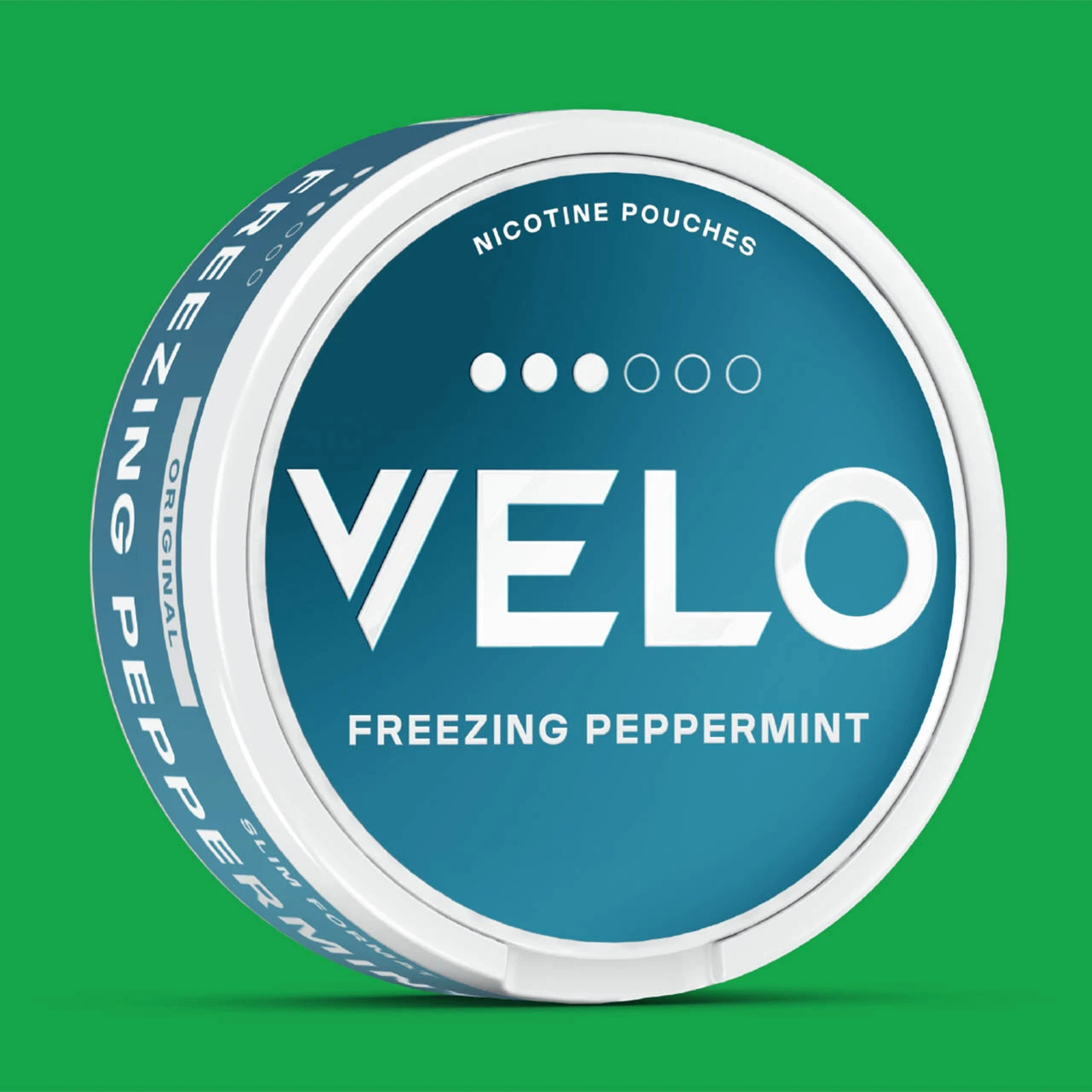
460k
Velo has established 460k active adult consumers since launching in 2019
A Model for THR in LMICs
A BAT subsidiary, Pakistan Tobacco Company, launched Velo brand Oral Nicotine Pouches in Pakistan at the end of 2019. Over the last five years, Velo grew in retail volume, in part because the regulation of these products in Pakistan allows manufacturers to responsibly market these products to adult tobacco consumers. Pakistan has now become one of the largest consumer bases for Oral Nicotine Pouches globally and a role model for Smokeless Products in what the World Bank classes as LMICs.
A Path Forward
Pakistan serves as a source of hope for other LMICs. There will be challenges to overcome, including educating key stakeholders in the principles of THR and encouraging adult smokers, who would otherwise continue to smoke, and consumers of traditional oral tobacco-containing products like Paan, Naswar and Gutka, to switch to Smokeless Products. However, Pakistan provides a case study that suggests the considerable potential for Oral Nicotine Pouches in LMICs.
Footnotes
^ Low- and Middle-Income Country
** Age-Standardized Rate (World) per 100 000, Mortality, Both sexes, Cancer Type [Lip, oral cavity], age [15-85+]
*** 2024 values, calculated using the World Bank Atlas method
IARC Group 1: carcinogenic to humans, IARC Group 2B: possibly carcinogenic to humans, IARC Group 3: unclassifiable as to carcinogenicity in humans, [a] 30 products assessed, [b] Two products assessed, [c] Three products assessed, [d] Four products assessed
* Based on the weight of evidence and assuming a complete switch from cigarette smoking. These products are not risk free and are addictive.
† Our products as sold in the U.S., including Vuse, Velo, Grizzly, Kodiak, and Camel Snus, are subject to FDA regulation and no reduced-risk claims will be made as to these products without agency clearance.
References
A full list of references for this page can be found in the section 11. References.
Exclusive access to the Omni™ Newsletter
Join the conversation shaping A Better Tomorrow™. Sign up to receive exclusive access to the Omni™ Newsletter and future Omni™ updates.
Signing up to the Omni™ Newsletter does not constitute consent to receive marketing communications.