
The Smokeless Word
From the nuances of smart regulation to the cultural and political forces driving public health change, a new podcast invites listeners to consider what it truly means to build A Smokeless World.
The Smokeless Word is a thought-provoking new series hosted by Kingsley Wheaton, BAT’s Chief Corporate Officer, opening up reflective and unfiltered conversations with a wide range of guests – including cultural commentators, policy thinkers and creative minds.
Season one brought diverse voices including advertising legend Rory Sutherland, political commentator Reem Ibrahim and Australian CEO Theo Foukkare. Season two continues with amoungst others, Swedish politician Nike Örbrink, global health expert Derek Yach, CEO of McLaren Racing, Zak Brown and former British Prime Minister, Boris Johnson.
You can find the latest episode below, and can catch up with previous episodes you may have missed.
Episode 30: Live from the Lab - Professor Douglas Deng

Professor Deng
Different countries have different, you know, realities.
Dr James Murphy
Has tobacco harm reduction reached Asia yet?
Professor Deng
There are huge variants across countries. It is not very easy to get a one-size-fits-all solution, but the necessity of introducing for tobacco harm reduction is a must.
Dr James Murphy
Opponents would say because the switch doesn't happen quickly, tobacco harm reduction doesn't work.
Professor Deng
It is not one day's work.
Dr James Murphy
Welcome back to The Smokeless Word: Live from the Lab. Today I'm joined by Professor Douglas Deng, a global expert on tobacco harm reduction and head of Next Generation Products Industry Studies at Yunnan University in China. We discuss the global transition to next generation products, the need for greater collaboration between the industry, academia, and regulators, misperceptions around nicotine and the importance of evidence-based communication and policy making when it comes to tobacco harm reduction. This podcast is intended for regulators, scientists, policymakers, and investors only. The views expressed in this podcast are the personal opinions of the speaker only. Any references to products having a reduced risk or reduced harm are based on the weight of evidence and assume no continued smoking. This material is not intended for U.S. audiences.
Dr James Murphy
Welcome, Douglas, to The Smokeless Word: Live from the Lab. What do you think of the studio?
Professor Deng
Well, the studio is perfect, and thank you, James, for inviting me.
Dr James Murphy
Excellent. Well, it's our pleasure, and I'd just like to begin, Douglas. You've had a really fascinating career. You had your bachelor's, your master's at Yunnan University, studying economics. So, what drew you to economics?
Professor Deng
Well, I think economics is a very fascinating, you know, science. You know, among all the social science, you know, subjects, economics is very similar to natural sciences, because you know people look at empirical studies look very closely at data when they do their research. So, I like data a lot. So, every day we deal with you know empirical research, you know data from different aspects. So, I guess that's why I like economics so much. And actually, inside of economics, for example, we have health economics, which study at how the public health policies will affect the, you know, social and economy running, and you know take the industry of tobacco and nicotine for example. The economist would look at the I mean the health economist would like look at you know how the policies of public health will affect the running of public economy, or in other words, macroeconomy.
Dr James Murphy
So, it's an it's a fusion of empirical data meeting behavioural science to really give like tangible outcomes that regulations can be based upon
Professor Deng
Yes, or in other words, the references for the regulator to set up the regulation.
Dr James Murphy
Excellent, and you know from Yunnan, you go on to postdoctoral research at Penn State in the U.S. So, what was it like living and working in the U.S. vis-a-vis, you know, you previously living in China.
Professor Deng
Well, I personally would think they are very similar, but of course that was quite a while ago. Actually, more than 20 years ago, my impression at that time was there was really no big major difference. I mean, study hard. I mean, going to library every day. But I guess the differences will be there was country music that I enjoy so much. You know, Johnny Cash, to name a few, Willie Nelson. In addition, there was American football, which was my favourite sports.
Dr James Murphy
Very good. Well, I'm sure your students loved you bringing back some Johnny Cash and Tammy Wynette back to Yunnan, because then you went back and you did a PhD, and then you successfully got a chair as the as a professor of economics, and what does your what does your research entail?
Professor Deng
Well, I have to say that what we me and my team basically focus on the study of tobacco and nicotine industry from the perspective of both health economics and industrial organisation, or in other words, industry economics. So, what we look at the industry is how the industry evolves all the way from combustibles to the next generation products. What is the logic behind it? What is the trend it's going to be? And most important of all, how that works for a nation or a region. Say, for example, in the case of EU, how that will affect the economic policies and payoff in the region or countries.
Dr James Murphy
Now we're going to get into the theme of tobacco harm reduction, which is one of the main themes for today. But just before we get there, I'd like to talk just for a moment about harm reduction as a general public health policy. Can you define this and give an example maybe where you've seen this being implemented effectively.
Professor Deng
Well, that's an interesting question, and of course that's quite you know a rigorous question. In my own view, or in my personal view, I believe the definition of tobacco harm reduction is any efforts that has been put to reduce the harm in the way of nicotine consumption will mean tobacco harm reduction. However, what is mostly accepted, both academically as well as practically, today is the introduction of smokeless product, or in other words, risk reduced products, or it can also be you know generally described as the next generation products,
Dr James Murphy
Excellent, and before we get into smokeless products, you know, I'd just like to even start even a step before that there with smoking itself, and you're a global expert, you've worked in many countries internationally, but even like knowing the risks of smoking, why do people today still smoke.
Professor Deng
Well, that's well. That question, you know, we keep on asking a lot of individuals during our study. You know, we did a lot of a micro study, like by you know inquiring different individuals who smokes the smokers, you know, a lot of these questions refer to a conclusion that even if today every on each every pack of cigarette there is a clear reminding word saying that “smoking kills”. That these people still choose to smoke is first of all, they feel they are free to make choice. They should have the freedom to choose whatever they want, but the question is whether they are given the sufficient and necessary information about harm. So, I guess with that point, all the leading companies in the world, or any you know properly regulated markets, the legal products have very clear you know warning signs that smoking kills. So, with that being said, I think it's very clear for these users that it's harm, but still, they choose to consume cigarettes is because they there is a necessity in themselves for the consumption of nicotine because so far nicotine is one of the most efficient way for the individual to you know for dopamine to involve in their body to release their you know pressured work. So, during our research, we found out that many of these people, when they are known that you know it is there is a harm during their consumption, they still to choose they still choose to do that is because they have pressure maybe in their during their work or in their life. However, so they choose to do that, you know, to create dopamine, which will release themselves. So, I guess most of these people are, you know, consist consumption of nicotine, or in other words, cigarettes, because of these two points,
Dr James Murphy
And to build on that, there, you know, tobacco harm reduction requires two parts for the equation to work. You need scientifically substantiated lower risk smokeless products, but you also need to switch smokers completely to the smokeless products. So, it was interesting, you know, you were talking there about on the second part of the equation, you know, freedom, choice, nicotine, maybe there's flavours, rituals, these sorts of things that are important. How do you think the current suite of smokeless products meets the tobacco harm reduction equation?
Professor Deng
Well, I myself belong to the expert upon our study who believe that it is not a one day's work. I mean, we believe during our study that you know both the industry and the regulators have to work a day in a day out, you know, for many years for this goal to be achieved. However, during the process of meeting tobacco harm reduction, I guess it will be a parallel route for all different kinds of, you know, for various kinds of products to be available to the to the users. I mean, combustibles, smokeless, all of these need to, you know, adapt to each other for quite a quite a while. You can't say that we switch, you know, within one day. That doesn't work at all because, you know, many different situations, including the issue related with the consumer behaviour, like you know, like a lot of, especially a lot of underdeveloped countries' concern about their public finance budget. So, I guess the best way is to set up a good model of tobacco harm reduction. Let the users fully understand the benefits of the switching. But at last, the option is on their own hand.
Dr James Murphy
Yeah, I think it's a really important point you make there about the switch taking time, and you know in the world of tobacco harm reduction, opponents of tobacco harm reduction would say because the switch doesn't happen quickly, tobacco harm reduction doesn't work. What advice would you give the opponents of tobacco harm reduction in this area?
Professor Deng
Well, I guess you know when you look at the establishment of FCTC. I myself started to look closely at the tobacco industry because of you know the signing of FCTC. You know, 20 years ago, when FCTC was signed, I believe that you know there will be a huge social and economic you know impact or payoff from FCTC. So, you know, with regard to FCTC, you still think you still realise that there is a the ultimate goal of course, is for everyone to quit smoking. You know that's that that of course will be very beneficial to the society. However, that doesn't take within a day. You know it takes it takes a long time. So, the best solution in terms of economics is again to design a well-founded science-based, evidence-based, you know, solution, but again, designing is one is one while practicing is another. During the process of practicing, you know, harm reduction, there still need to be some amendments or changes that probably will suit the you know consumers in the better way. For example, if you look at you know the early practicing of tobacco harm reduction, what we mean by smokeless products normally refer to refer to either tobacco heated products or vape. However, in recent years, there are more evidences indicating that oral nicotine pouches seem to stand out as also a very efficient way for users to be harm reduced. So, I mean, I mean tomorrow probably we will find another you know better way. So I guess the best way is to do that for any you know regulators to do that, to adopt the policy, launch the plan, you know, do that today, and found out the best solution in the way instead of you know design a perfect frame, but not practical at all.
Dr James Murphy
Now, the World Health Organization (FCTC) so Framework Convention on Tobacco Control, for the audience, which is the World Health Organization strategic approach to how they approach tobacco control. How do you feel the World Health Organization is applying tobacco harm reduction in in the in that strategic document.
Professor Deng
Well, as you know, one who looks health looks at health economics closely. If we take a look at the literature, we study me and my team study all the literature of tobacco and nicotine consumption related. You know, every day we keep a very close eye on it, and you know, within the research, you can realize that WHO over the last years have put quite you know huge efforts in tobacco harm reduction related issue. However, the problem is that you know most of the works of the frameworks, most of the frameworks within the FCTC, which of course was backboned by the WHO, was built upon the evidences, or let's say the benchmark was majority of them were combustibles when the FCTC was drafted 20 years ago, that was the time when you know tobacco harm reduction and next generation products wasn't there at all. So I would see that as the issue was the you know the method the methodology of the FCTC was probably a little bit you know lag behind the practices of the industry as well as the users, say the users already demand, you know, smokeless products, or in other words, tobacco harm reduced products in the contemporary way, while probably FCTC is still assessing them in what it was 20 years ago.
Dr James Murphy
It's an excellent point. It's like a document that was created 20 years ago in an abstract world without smokeless products. Now trying to exist in a world that is completely different and exact. It's a really important point because I want to bring you on to Asia, and I want to get your views if tobacco harm reduction has reached Asia yet.
Professor Deng
Well, I would say yes. Generally speaking, because Asia geographically is a very huge place, and there are huge variants across countries, both you know economically and in terms of public health. So, in there are some you know example or in cases in point in Asia, for example. Example in Japan, heated tobacco products were launched in year 2014. So my team have conducted, you know, the empirical studies by making use of the data, the time series data in Japan in terms of consumption of heated tobacco products, what we discovered, however, is that even with the introduction of heated tobacco products, with the very well designed excise program and the compliance work by the industry, the finally what pays off is not only for the consumers to enjoy harm-reduced products, which, of course, according to the you know research by a lot of health, the public health benefits in Japan was very obvious, but also the benefits can you know go to other stakeholders, including government, because when you look at the public finance budget in terms of excise of tobacco and nicotine related products, there was not a very obvious decline, so that example set up probably a case for other Asian countries to take into consideration of you know next generation products such as heated tobacco products to be include in there in other Asian countries and economics, you know, regulations.
Dr James Murphy
And it's a very it's a very interesting point. You know, Japan is probably one of the most developed countries in in Asia an economic powerhouse globally, but that may not be the story across the whole of Asia. And what advice would you give to the governments in countries that maybe not so economically strong in Asia in terms of bringing tobacco harm reduction into their public health policies.
Professor Deng
Well, I believe that although countries vary in terms of their macroeconomic structures, like what you said, Japan is of course one of the most developed economies in the world. However, in terms of the designing of industrial organisation of tobacco and nicotine products industry, or in other words, the you know adoption of tobacco harm reduction framework. I don't think that's a huge you know difference when it comes to different countries. There are several criteria that probably the local governments need to pay attention to. First is a very well-founded evidence-based framework designing of the introduction of next-generation products, because countries are very different, very different, you know. Some of them has very huge cultivation of leaf tobacco. A lot of farmers rely on count on leaf tobacco as a living, so it is not very easy for say to get a one-size-fits-all solution for different countries, but the necessity of introducing a well-founded policy oriented for tobacco harm reduction is a must. Secondly, I think compliance from the companies is also very important. I mean, without a very rigorous compliance work from the you know companies in the industry, it's also very hard to fulfil the target.
Dr James Murphy
Excellent, and you know, as an expert, I wonder could you help simplify this for us? Because on one hand, I'm thinking, is the tobacco tax strategy just about ensuring that the level of tax the government. Is the same irrelevant whether it's combustible or it's smokeless, or should a tobacco tax strategy be rewarding on the reduced risk profile of the product? So, the lower the risk, the lower the excise. What would be your views on that?
Professor Deng
Well, in my study, we realise again, for example, according to the experience of Japan, what the government adopted is you know a tax a general excise policy that is you know benchmarked against combustibles, but you know, a little bit lower than the combustibles. With that, there was there is an encouragement from the government. There's a tendency of the although the government doesn't have to commit, you know, the doesn't need to endorse the tobacco harm reduction products itself doesn't have to be that specific but with the very well designed policies such as excise you know it will encourage automatically but not on a large scale, I mean, a small scale is is enough for the users to switch to the you know harm reduced products. And in some countries, I note, for example, in Italy, we found some you know heated tobacco friendly restaurants in Japan as in Japan and Korea as well, so I guess that is also a good way for the tobacco harm reduction because in some of the restaurants that I went to in these countries that I just named, we note that the restaurants can host the users who you know make use of you know heated tobacco products. So, this is a clear signal to the users that you know switching to the tobacco harm-reduced products is a is a is a more accepted behaviour.
Dr James Murphy
Yeah, and I think I think you know this. This again is a really important point because you talked earlier about people needing the information to make informed choice. You know, you mentioned there that governments don't need to endorse the products, but somehow a happy medium has to be found, doesn't it? That people get the facts so they can make their own informed choice.
Professor Deng
Yes, again, information is very important. However, so far, what we studied again. We do a lot of literature review, so like simultaneous every day in my team. There's a you know special graduate student who is in charge of literature review and get everybody informed of what happened today in terms of research concerning you know tobacco harm reduction, so unfortunately, what we found out today, this the research are very isolated geographically, so that means majority of the evidence based research comes come either from the industry or the academic the academia such as universities. There was hardly yet any you know evidence-based research, either from you know WHO or from governmental authorities. So, I would encourage that both the WHO and the government authorities to you know start very rigorous evidenced-based research concerning tobacco harm reduction because that is the way that will encourage more information to be shared and also, I would encourage more collaboration in terms of research, especially evidence that the industry can work with both the WHO as the top level, you know, regulator. And government, as well as the academia, so that is the only way for information. Again, as I said, to be sufficient and symmetric to the users.
Dr James Murphy
I think it's a great summary that it's it it's an interface of WHO, national regulator, academics, and the industry, all agreeing on principles, and then a sharing of research to find outcomes that then can lead to accurate information to go to consumers, and they can make an informed choice.
Professor Deng
Yes, exactly.
Dr James Murphy
Excellent. I want to change the topic. I want to talk about nicotine, and you know, a lot of people think that nicotine is the cause of smoking-related diseases. What's your view?
Professor Deng
Oh, that is a misperception. Very obviously, so all the you know evidences refer to that the use of nicotine in the proper way doesn't cause, you know, disease such as cancer. But of course, when you abuse, for example, nicotine, for example, when you drink nicotine from a cup, that of course will be very harmful. However, in any country, nicotine as a substance is a very highly regulated, you know, substance. In many countries, is a very strictly regulated products that normal, you know, people can even access cannot do not have access to it at all, so in most of the countries in the world, the procurement of nicotine itself has to be, you know, first of all licensed. Now there are many, you know, different procedures for one, even a pharmaceutical companies to procure nicotine for their use of NRTs. So, I guess that guarantees, first of all, normal people do not access to pure nicotine at all. So, with that being said, I would like to you know, say that nicotine in terms of either added in terms of vape as a substance, in terms of heated tobacco products or nicotine pouches, that doesn't nicotine itself as a substance doesn't cause the you know tobacco related you know diseases. However, there was such there is such a misperception everywhere in every country.
Dr James Murphy
Excellent, and you know you mentioned their misperceptions, and you talked about people misperceiving the risks of nicotine. Do you see any other areas where there's misperceptions in in the in the specifically in the area of tobacco harm reduction?
Professor Deng
Well, I guess today media, you know, played a you know important role in that field, like a lot of you know me in in a lot of especially in a lot of social media, you know, occasions where you will find like a lot of you know easy made or in in the time of AI, it can be you know generated automatically by AI a lot of misperception. So probably those are the you know information targeting, for example, like you know housewives or like you know grandparents, you know strengthening their worry that you know make a lot of you know I I don't want to use the word nonsense, but it's a very nonsense. Like just you know, you know, just say vape, for example. Vaping is more harmful than smoking cigarettes or something like that, without giving any evidence. So, I would encourage all the stakeholders, Including the users, I mean the smokers or the nicotine users, the their families, the regulators, as well as you know the industry, to pay attention. To evidence, so any judgments without the proper, you know, offer of evidences is does I mean doesn't work at all. Yeah. So, whenever we propose any idea, we can we can have many different ideas, but all these ideas have to be supported by evidences. I guess that's why what I mean just now it is very important. So far, only the industry are proving themselves. So that's not necessary when there is already a huge misperception in the society about something, I guess the regulators now has have the responsibility to do something, and this something means evidence-based research.
Dr James Murphy
Excellent.
Professor Deng
And because, sorry, because they are one of the stakeholders. They are not, you know, stand out of the issue at all.
Dr James Murphy
Yeah, and I want to come to the regulators in a moment, but just just to draw a line under the last conversation, I read the other day that the average adult has an attention span of eight seconds, which is down from 12 seconds 20 years ago. And I was thinking of peer-reviewed research that that we would we would write and we would read, and and how do we capture a peer-reviewed journal in within eight seconds? That's an interesting project for your team.
Professor Deng
Well, you in my experience, it could be even shorter than that with the you know assistive AI.
Dr James Murphy
Yeah.
Professor Deng
So, like myself, I you know review a lot of both academic papers as well as research programs for their establishment of budget, so anything that that comes to the that comes to the you know the points. The points are very important. Even if you have very well-designed data, even if you have your sample is large, even if your methodology is correctly adopted, well, at last your points has to be very clear. That has to attract the reviewers on the first side. So, say for example, what you encourage the policymakers, what kind of you know, what kind of result from your empirical data would mean for the regulators to adopt, a lot of, however, a lot of researchers do not. What should I use the word? Do not dare enough to to mention that, or I mean, if that is not sufficient, it's very hard for you to decide whether it is enough. Whether even if, as I said, even if your data, your evidence is very clear, is is good, is still not good enough for the regulators to pay sufficient attention to it, then, that is not that useful. Yeah. So we have to be very clear. Any research will pay off at last.
Dr James Murphy
To work for the welfare to the benefits of the users. But I I really liked your point there about we must be driven by evidence, and communication must be based in evidence. I think that's a really important message, and I want to pick out another one of your quotes, which I really like. Was you say that innovation and regulation is like a horse and a carriage, and they have to stay joined together. Do you see in the world of smokeless products is the horse and carriage still together?
Professor Deng
Absolutely correct. You know, I mentioned that the first time that I mentioned that was in I was on GTNF, I guess 2022 or something like that. I said the regulation and innovation goes together like a horse to carriage. That was actually a lyrics from Frank Sinatra's song, the one of my favourite song. It's talking about love and marriage. So, without love, there won't be a marriage. Without the marriage, the love is not responsible either. So, the same logic happens to you know the tobacco and nicotine industry. There, there, there, there are many innovations in in the industry. I know that. However, there got there's got to be a regulation because that points to the direction of where the innovation can go to. If an innovation is not designed for the goods of the consumers, then that's not called a good innovation. However, that fits to the regulation as well. If the regulation is not designed for the goods of the users, but the designed for probably the goods for the regulators themselves, it's not called a you know, a good regulation as well.
Dr James Murphy
It's been a fascinating conversation. You know, we we've talked about freedom of choice. We've talked about health policy. We've talked about excise in health policy. The need for collaborative working between World Health Organization, academics, national regulators, the industry, and I I really appreciate your point on evidence-based communication. But if if I was to say to you, in terms of tobacco harm reduction, do you have one hope and one prediction for tobacco harm reduction?
Professor Deng
Well, in my personal view, I would, you know, upon our study, I would believe that tobacco harm reduction is a good, you know, way for the benefits of the consumers. That's all you know. Benefits of the consumers is always the top-level concern for all this of the all of these studies. However, I would say different countries have different methods, different way. I myself would encourage any country to start their own model of you know tobacco harm reduction. You know, for example, some countries seek to reduce harm in the combustibles. I mean, go ahead, do that. But anyway, different countries, when they adopt these policies, they will more or less save lives. There are many countries, for example, like a lot of South Asian countries, including India or Pakistan, where they have their own way of consumption of nicotine such as bidis and naswar. Of course, those have already tradition for many years. I mean, if they can switch without changing much of the consumer behaviour or habits to like risk-reduced products such as oral nicotine pouches. I guess that will pay off very well in their public health target. So, I would say that different countries may have different models of tobacco harm reduction, but what we see so far, the smokeless products, which practically translate into next generation products, namely heated tobacco products, vape, as well as oral nicotine pouches, are have already provided sufficient, in my understanding, evidences proved to be to be harm reduced and efficient. So, I think these countries may take into consideration of adopting this product. Of course, again, as I said, different countries have different you know realities. It's up to the nation to take into consideration what the consumers will prefer, And whether that, whether the introduction of the risk-reduced products will, you know, will not give a huge burden on their public finance, and will that, will the introduction of. Risk reduced products pay off for the public as a whole. I think those are the issues to be taken to consideration generally.
Dr James Murphy
Very insightful. And Douglas, on The Smokeless Word, we always leave the last question to the guest. So, I don't know if you've got a question for me.
Professor Deng
Of course, I know you very well academically. So, my question to you is that, as a PhD, you know of chemistry, graduated with a very well-known University. So, what is your experience in the industry? Do you regret not working in the academic world?
Dr James Murphy
It's a really interesting question. So, thank you for that. There, I um I was doing a postdoctoral research in in Japan before I got the opportunity to come to British American Tobacco, and I I joined there because of tobacco harm reduction. You know, in my background growing up, you know, a lot of friends and family smoked, and I always thought there must be a better way. And when I walked into the reception in in in in BAT, there was a sign behind the reception that said, you know, “we hope to be the first tobacco company to launch a tobacco product that would, over time, be recognised by public health as lower risk”. And I thought to myself, “What a what a profound ambition and purpose that I could apply my my technical skills to, and I felt that you know in life a lot of jobs give reward to enable people to live the life that they can live, but few jobs give purpose, and I really I really live to the purpose of tobacco harm reduction, and that's why I think I made the right choice”. So, just a few quickfire five to finish off. Your favourite music?
Professor Deng
Well, that's a you know good question. I'm a really a fanatic about music. I like all different kinds of music: Classic jazz, you know, rock, including you know, country music. So, which is very unique. But I basically I like rock most.
Dr James Murphy
Very good. I like U2 most. But U2, good, good Irish band. A surprising fact that people may not know about you?
Professor Deng
Oh, doesn't matter. When some people knows me, some people know me. That's enough.
Dr James Murphy
What's your favourite thing to do on a day off?
Professor Deng
I like listening to music, hiking. You know, doing sports, staying with my families, cooking, of course.
Dr James Murphy
Excellent, and on the on cooking, I mean, China is such a fabulous you know cuisine. So, dumplings, but your time in America, dumplings or hot dogs.
Professor Deng
Well, that's a good question. As you know, people who travel so intensively in the world, I would you know prefer to have hot dogs rather than dumpling because you know adaptation is very important. So I would say that I love hot dogs because it's available everywhere. I don't have to you go specifically for dumplings?
Dr James Murphy
Very good.
Professor Deng
But I like dumplings as well. Excellent.
Dr James Murphy
Excellent, so, Douglas, thank you so much for your time today, and thank you so much for joining us on a The Smokeless Word: Live from the Lab. Thank you.
Professor Deng
Thank you, James. My pleasure.
These transcripts are AI-generated and may contain errors or inaccuracies and should not be relied upon.
An economist’s case for evidence-based tobacco harm reduction policy: Professor Douglas Deng joins Dr James Murphy on The Smokeless Word: Live from the Lab.
From the lessons of Japan’s heated tobacco market to the challenge of misinformation in the age of AI, Professor Deng, Head of Next Generation Products Industry Studies at Yunnan University in China, sets out a compelling case for evidence-based THR policy. Following the money, he examines what the move from combustible cigarettes to next-generation products means for public finances, and whether the World Health Organisation (WHO) Framework Convention on Tobacco Control (FCTC) has kept pace with smokeless products.
Join James and Professor Deng for a deep dive into the economics of tobacco harm reduction, and why innovation and regulation must go hand-in-hand.
Previous Episodes:
-
 Watch now >
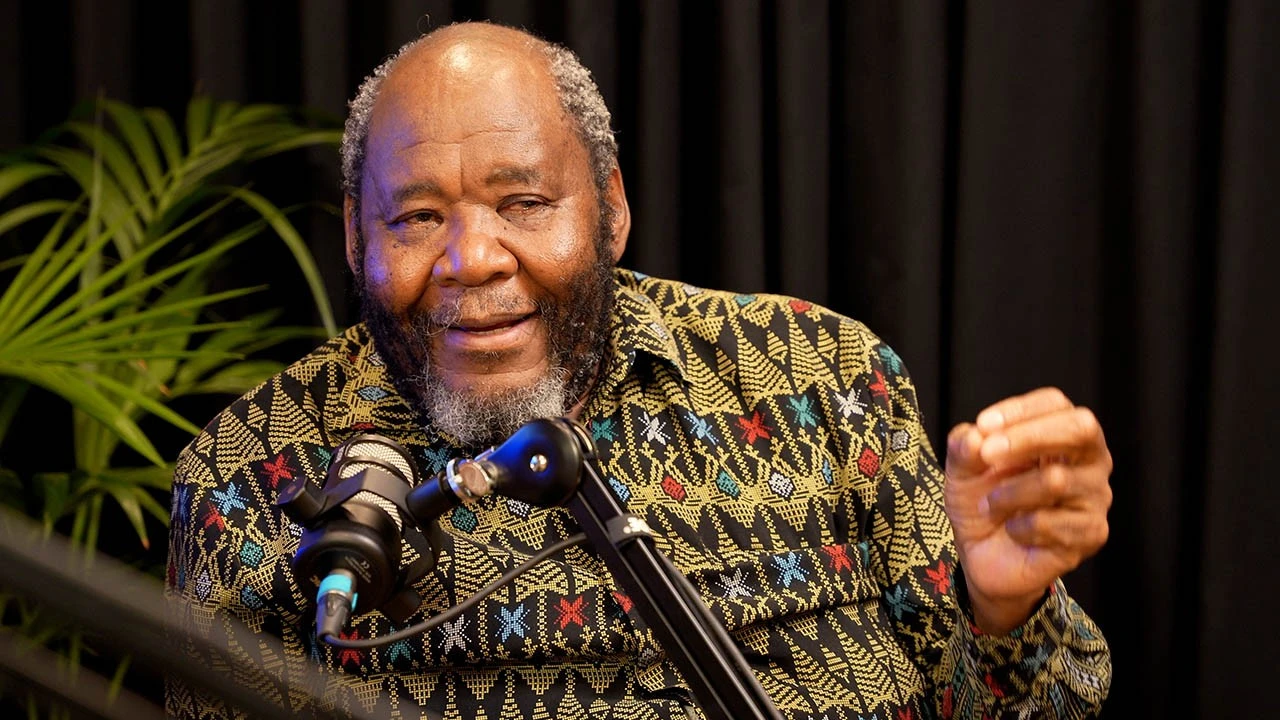
Episode 29: Pali Lehohla
Kingsley Wheaton speaks with Dr Pali Lehohla about South Africa's first democratic census, the role of data in shaping policy, the state of democracy, and why evidence remains essential for building a fairer and more prosperous society.
-
 Watch now >
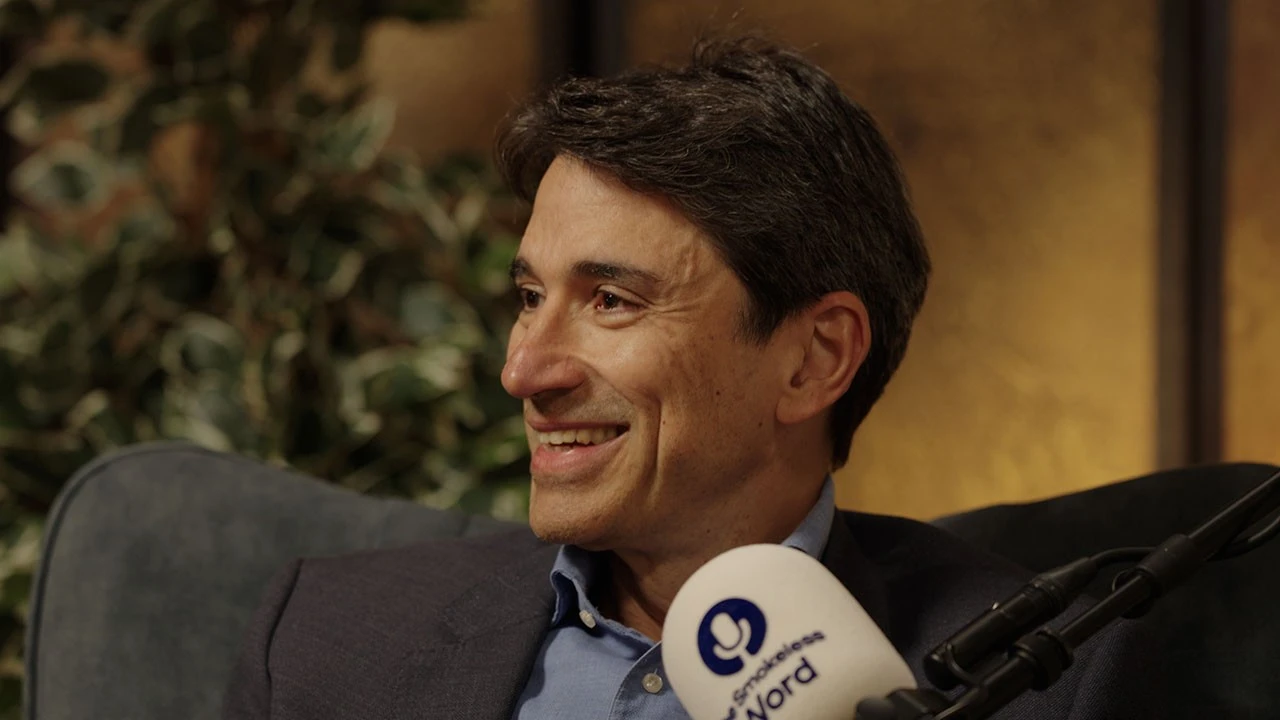
Episode 28: Tadeu Marroco
BAT CEO Tadeu Marroco shares lessons from a 34-year career, insights on leading transformation, and his vision for a smokefree world.
-
 Watch now >
Episode 27: Johnny Moloto
Johnny Moloto discusses South Africa’s illicit tobacco market and how risk-proportionate regulation could support a smokeless future across Africa.
-
 Watch now >
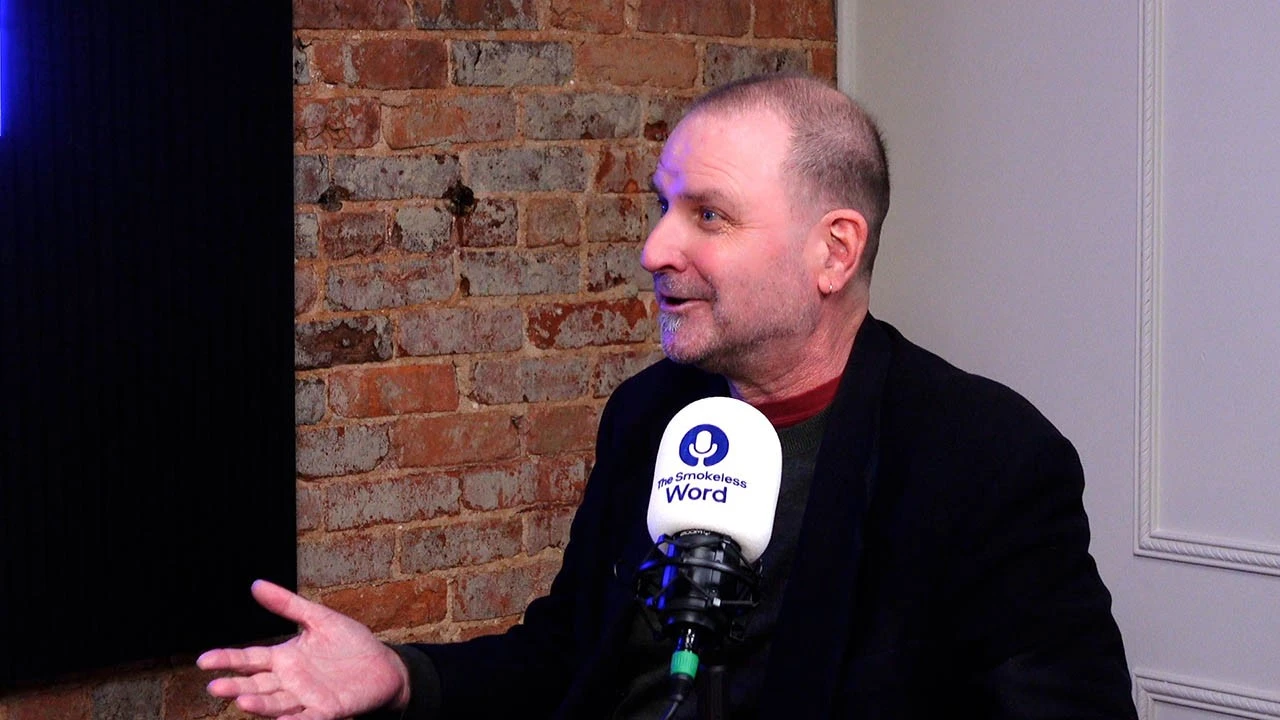
Episode 26: Dr Charles Gardner
Dr Charles Gardner discusses why he changed his mind on tobacco harm reduction, the evidence behind it, and the role of ex-smokers in shaping policy.
-
 Watch now >
Episode 25: Pippa Roden and Thibault de Lary de Latour
Two of BAT’s communications experts, Pippa Roden and Thibault de Lary de Latour, explore the synergy between messaging and regulatory strategy.
-
 Watch now >
Episode 24: The Rewind
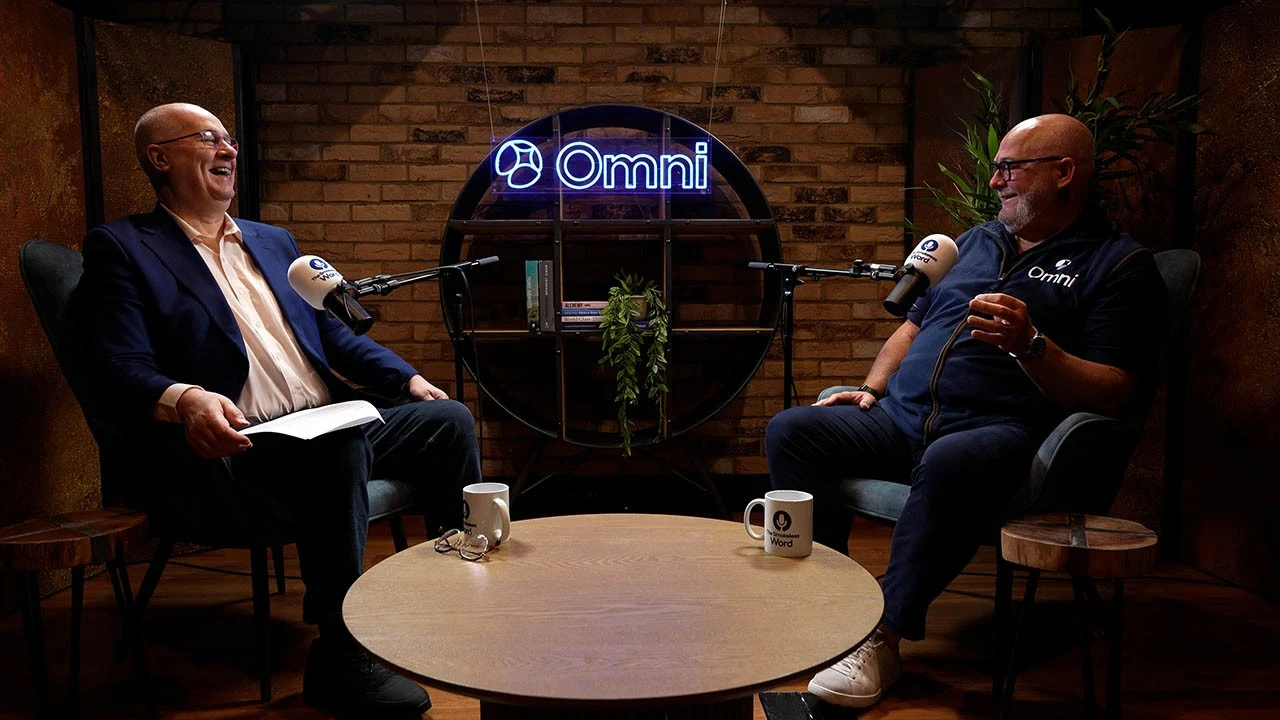
Broadcaster Iain Dale interviews host Kingsley Wheaton in the first episode of The Smokeless Word: The Rewind.
-
 Watch now >
Episode 23: Elaine Round
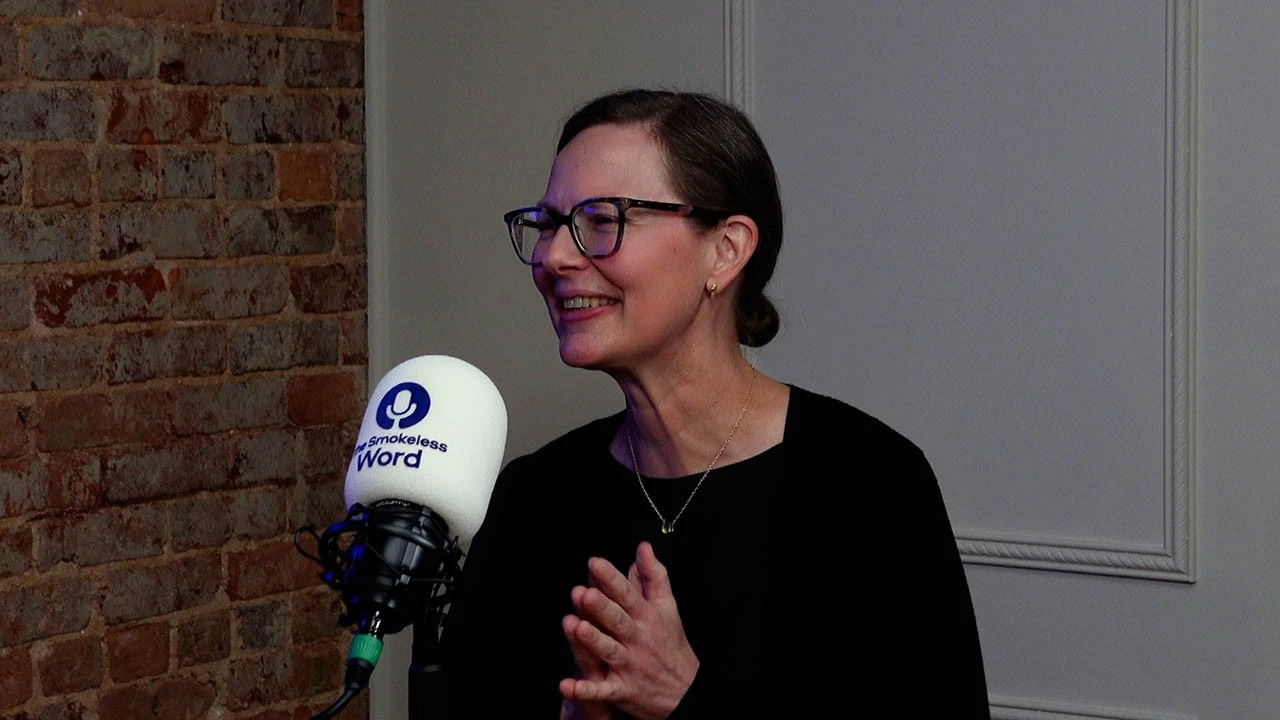
Elaine Round of R.J. Reynolds on her route into science and the evidence behind tobacco harm reduction.
-
 Watch now >
Episode 22: Damian Willemse
Springbok fullback and double Rugby World Cup winner Damian Willemse on resilience and South Africa's winning culture.
-
 Watch now >
Episode 21: Joe Gitchell
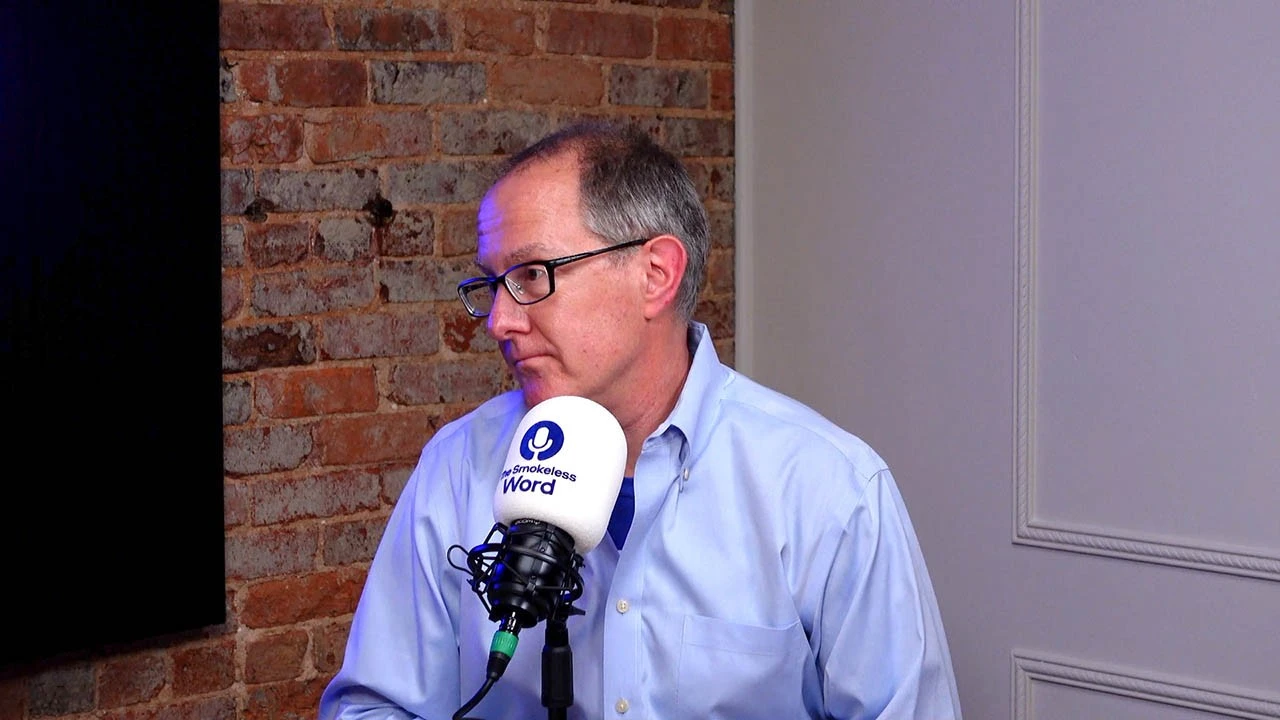
Joe Gitchell, chief executive of Pinney Associates, on the vision he brings to tobacco harm reduction, in Live from the Lab.
-
 Watch now >
Episode 20: Jack Rankin
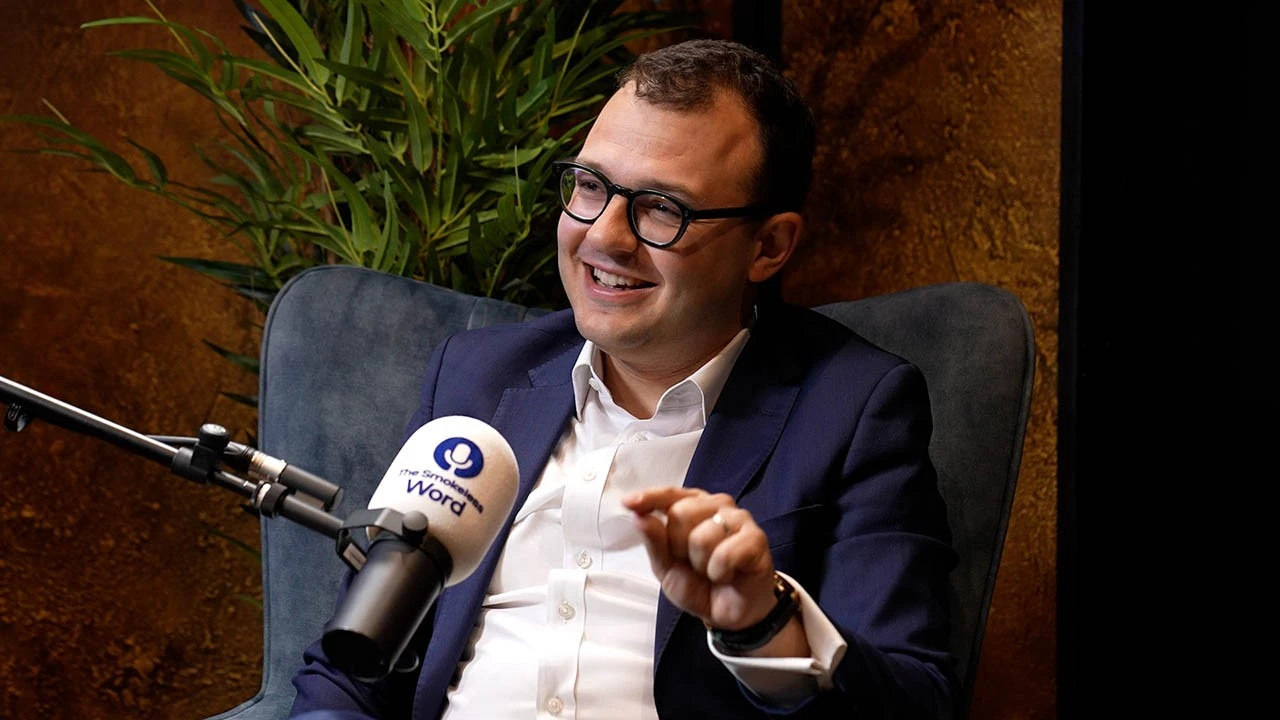
Jack Rankin, Conservative MP for Windsor, on bringing a mathematician's analytical rigour to Westminster.
-
 Watch now >
Episode 19: Christian Sandström
Academic and author Christian Sandström on disruptive innovation, recorded with Kingsley Wheaton in Sweden.
-
 Watch now >
Episode 18: Pascale Meulemeester
Pascale Meulemeester, BAT's regional director for APMEA, on one of the company's most complex regions.
-
 Watch now >
Episode 17: Donato Raponi
Donato Raponi on thirty-seven years shaping EU tax policy and the technical world of tobacco excise.
-
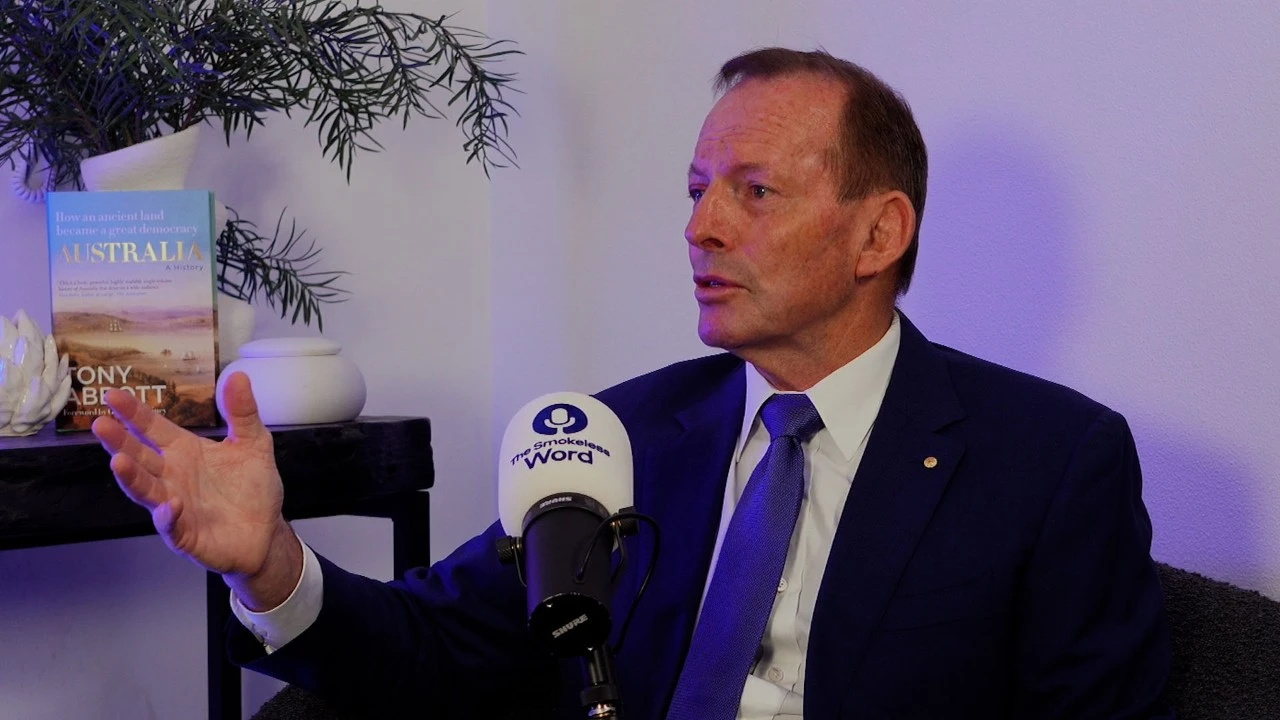 Watch now >
Episode 16: Tony Abbott
Former Australian prime minister Tony Abbott joins The Smokeless Word for a conversation on politics in Australia.
-
 Watch now >
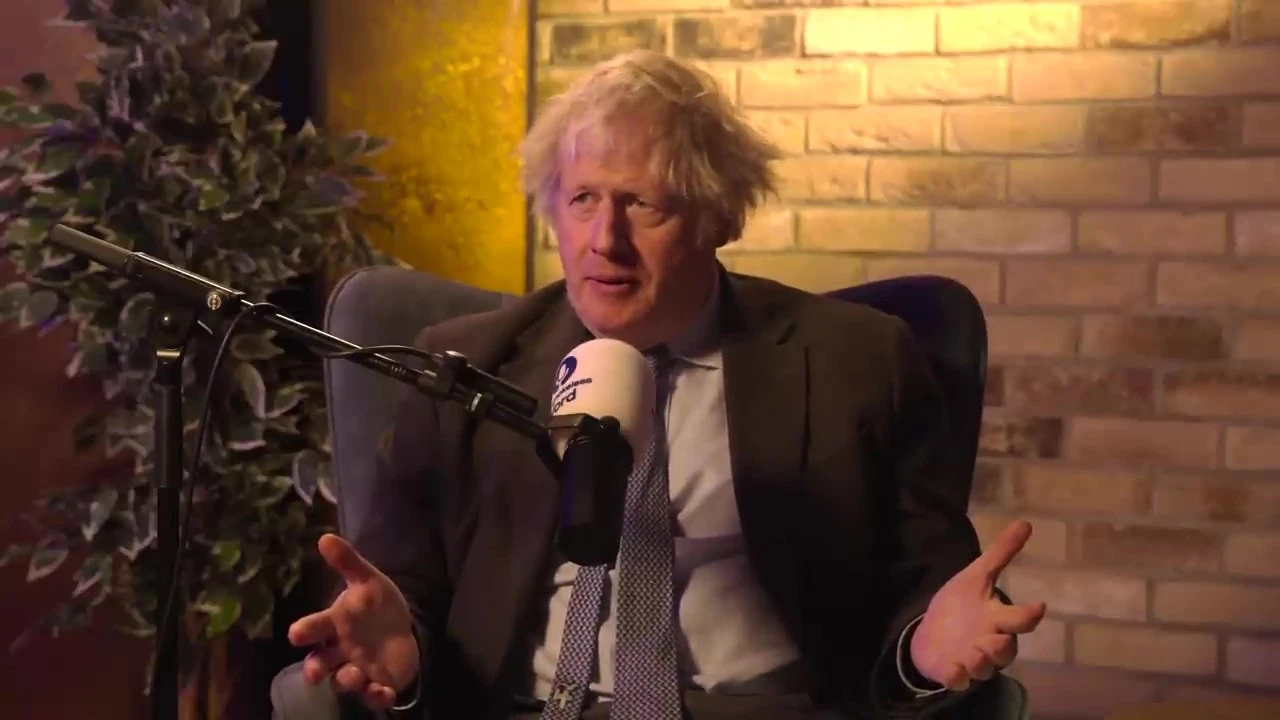
Episode 15: Boris Johnson
Boris Johnson joins Kingsley Wheaton for a conversation running from formative sibling rivalry to City Hall, Westminster and Number 10.
-
 Watch now >
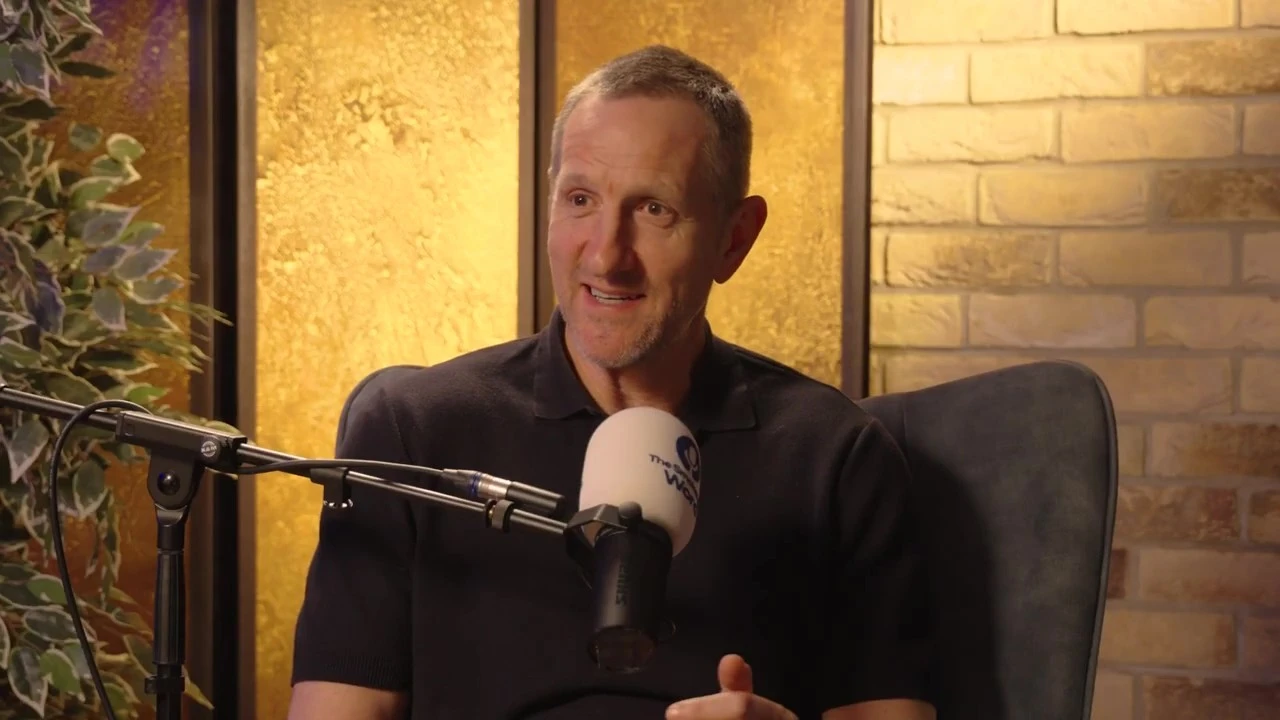
Episode 14: Will Greenwood
Rugby World Cup winner and British and Irish Lion Will Greenwood on trophies, pressure and what sits behind the medals.
-
 Watch now >
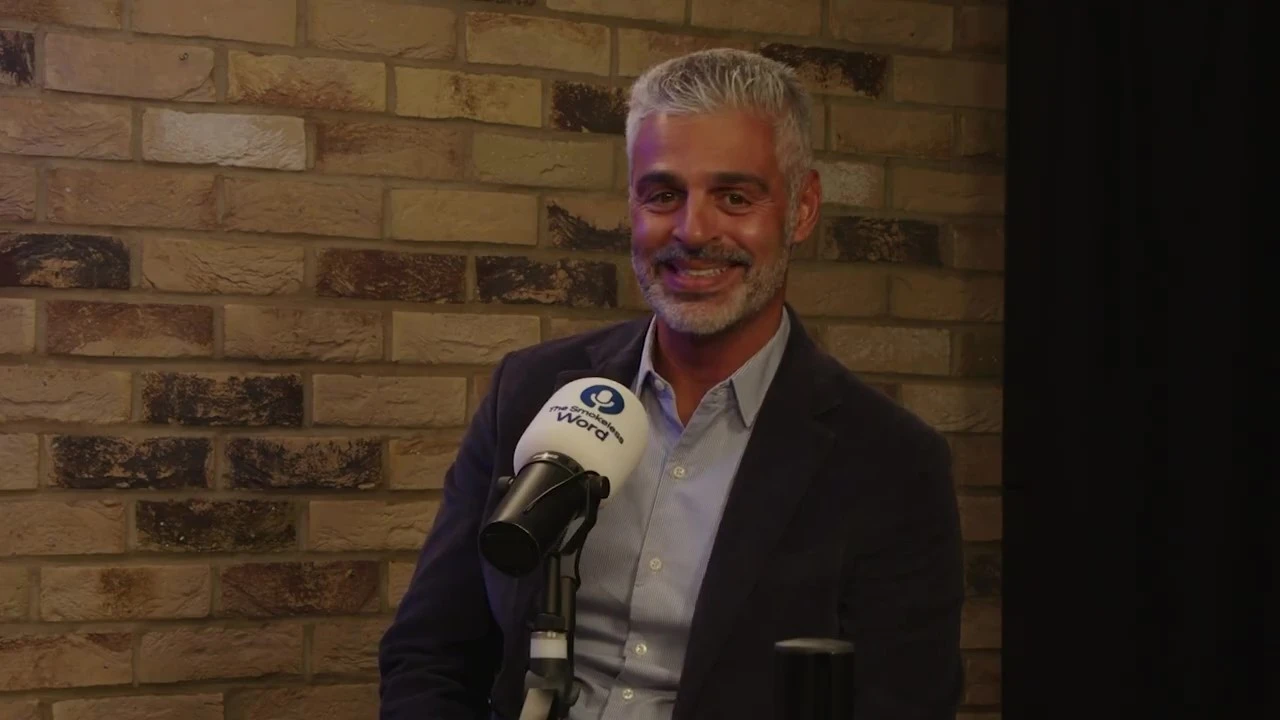
Episode 13: Mauricio Cantisani
Mauricio Cantisani, BAT's vice president for agribusiness in LATAM South, on regulation and future-proofing the supply chain.
-
 Watch now >
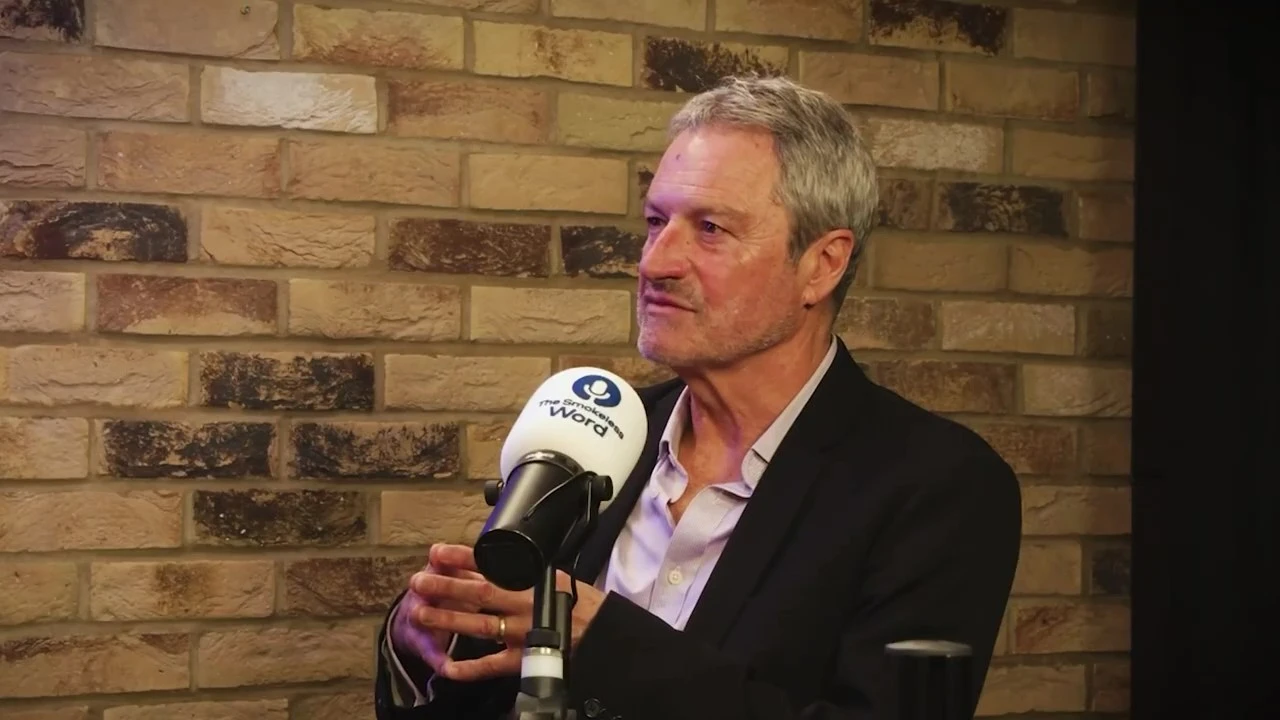
Episode 12: Gavin Esler
Journalist and author Gavin Esler on forty years in broadcasting and how narrative shapes leaders, politics and public reality.
-
 Watch now >
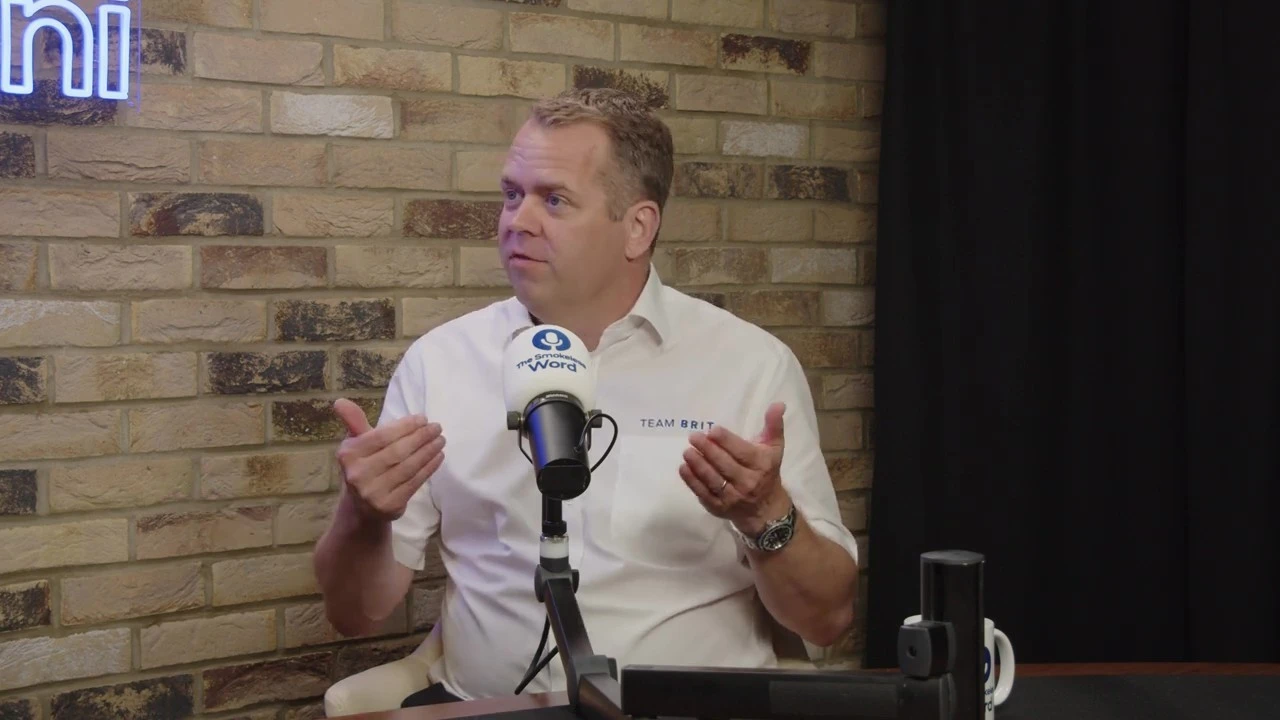
Episode 11: Mike Scudamore
Mike Scudamore, team principal of Team BRIT, on running a competitive racing team made up entirely of disabled drivers.
-
 Watch now >
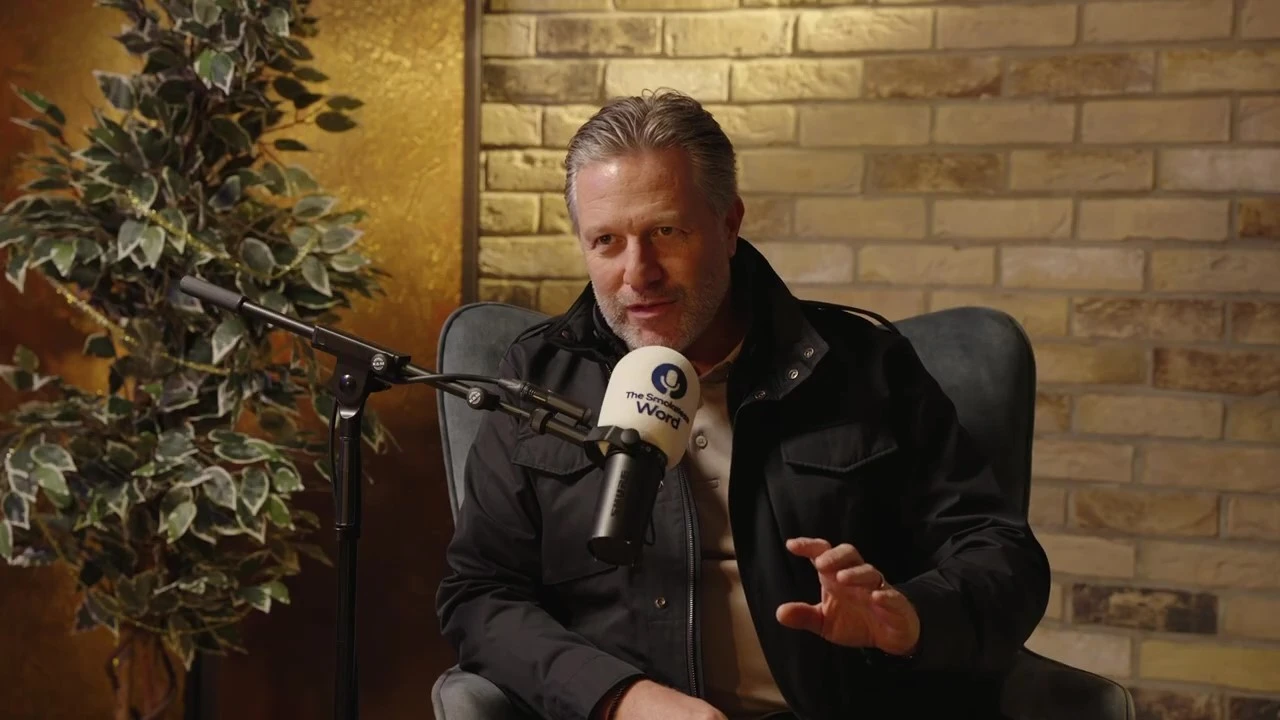
Episode 10: Zak Brown
McLaren's Zak Brown on the team's season, the changes he has driven and the leadership mindset behind its comeback.
-
 Watch now >
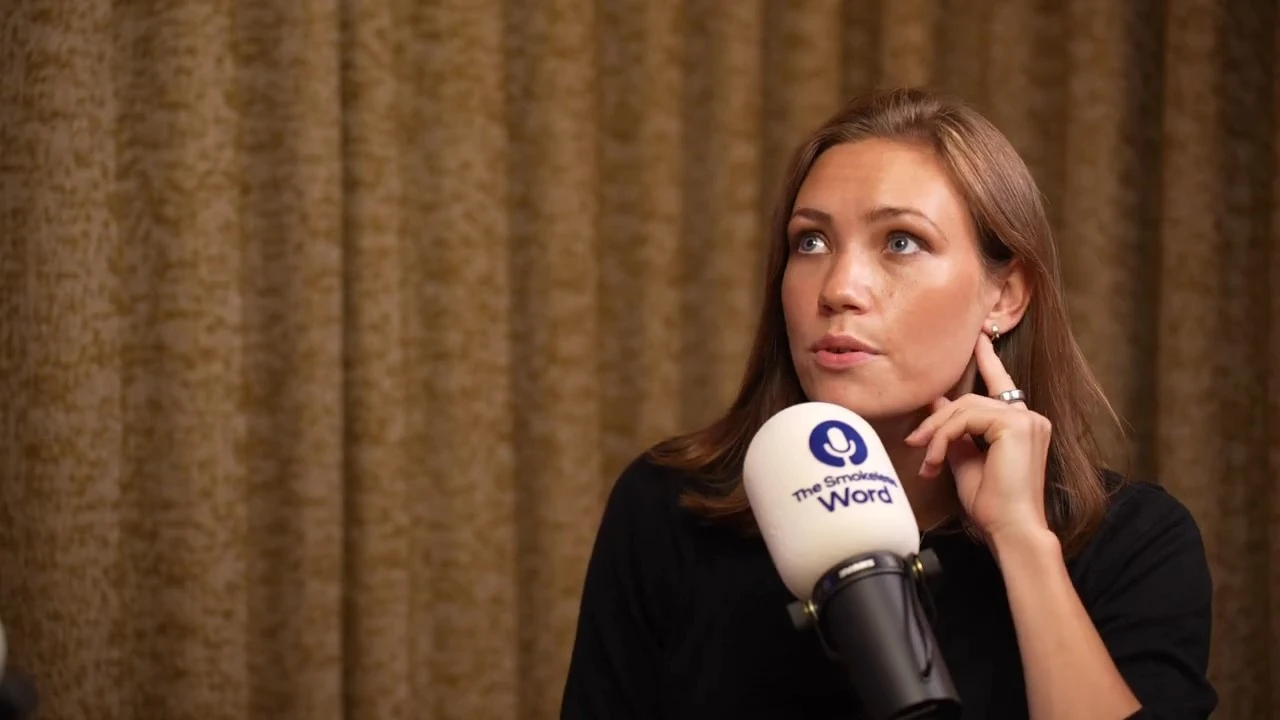
Episode 9: Nike Örbrink
Nike Örbrink, head of the Christian Democrats in Stockholm City Hall, joins Kingsley Wheaton for an episode recorded in Sweden.
-
 Watch now >
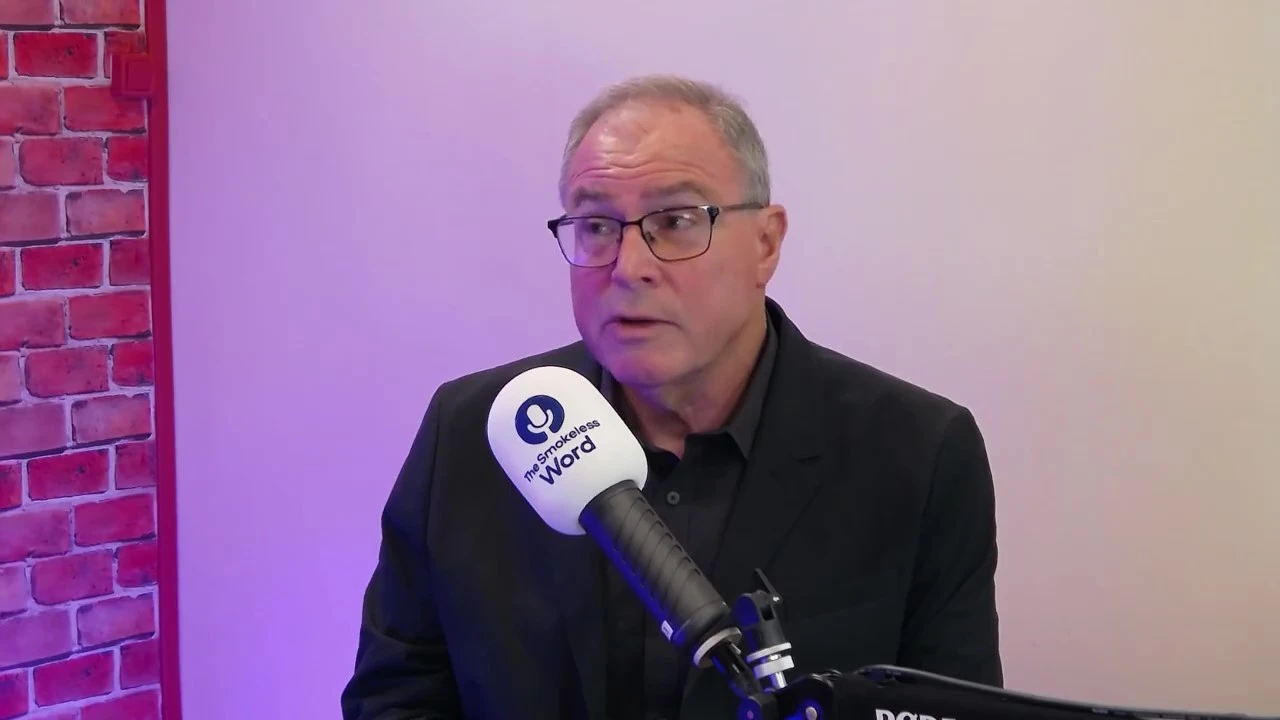
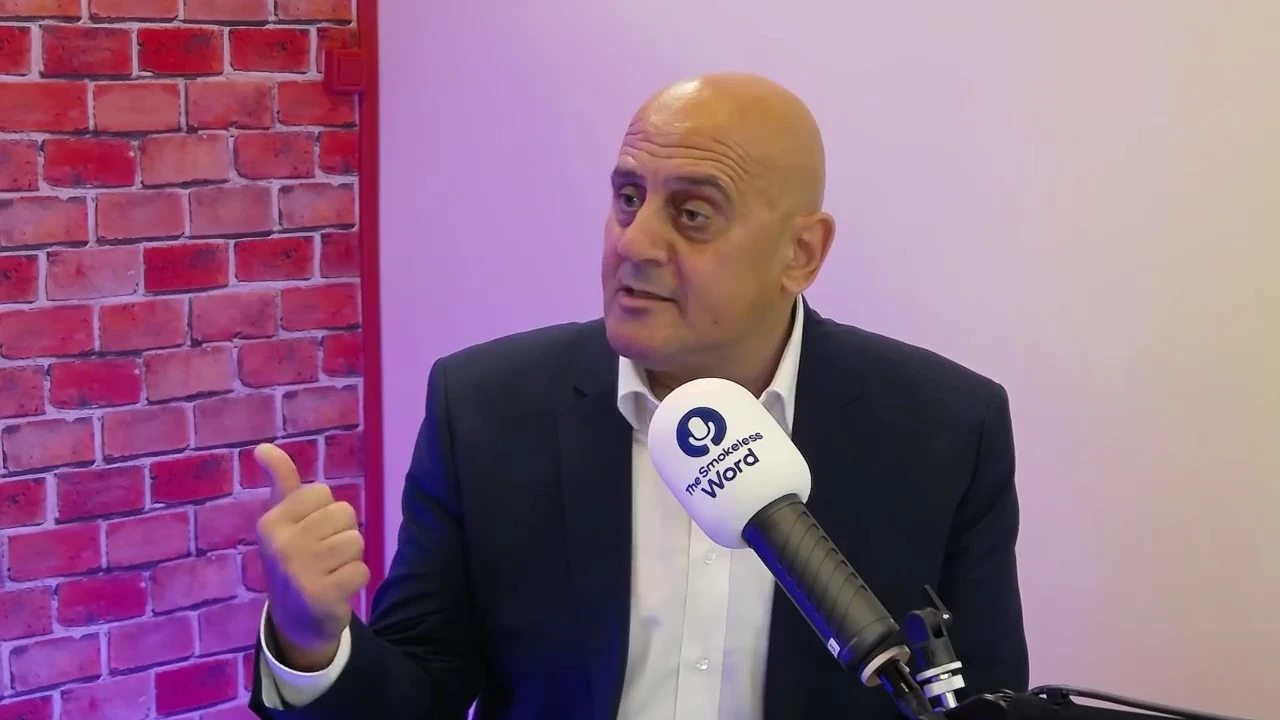
Episode 8: Derek Yach
Former WHO executive director Derek Yach joins Kingsley Wheaton in Brussels during COP11 for a conversation on global health.
-
 Watch now >
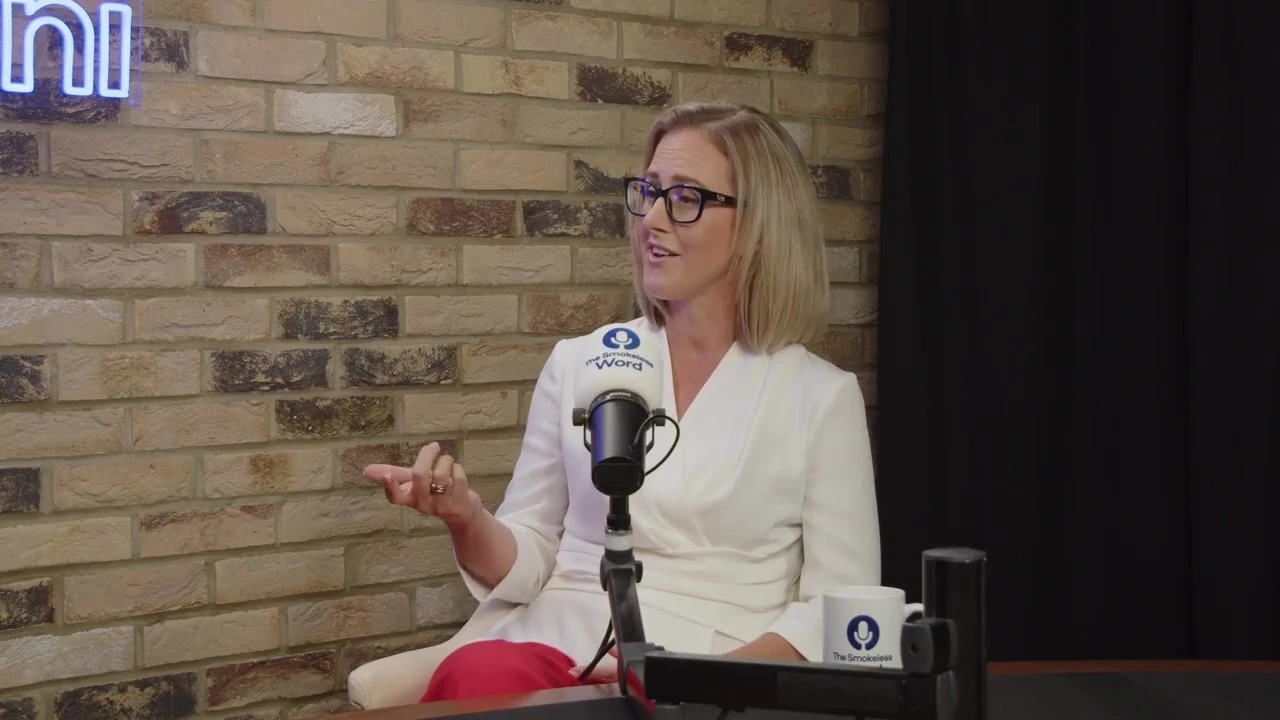
Episode 7: Theo Foukkare
Theo Foukkare, chief executive of the Australian Association of Convenience Stores, on illicit trade and retail crime in Australia.
-
 Watch now >
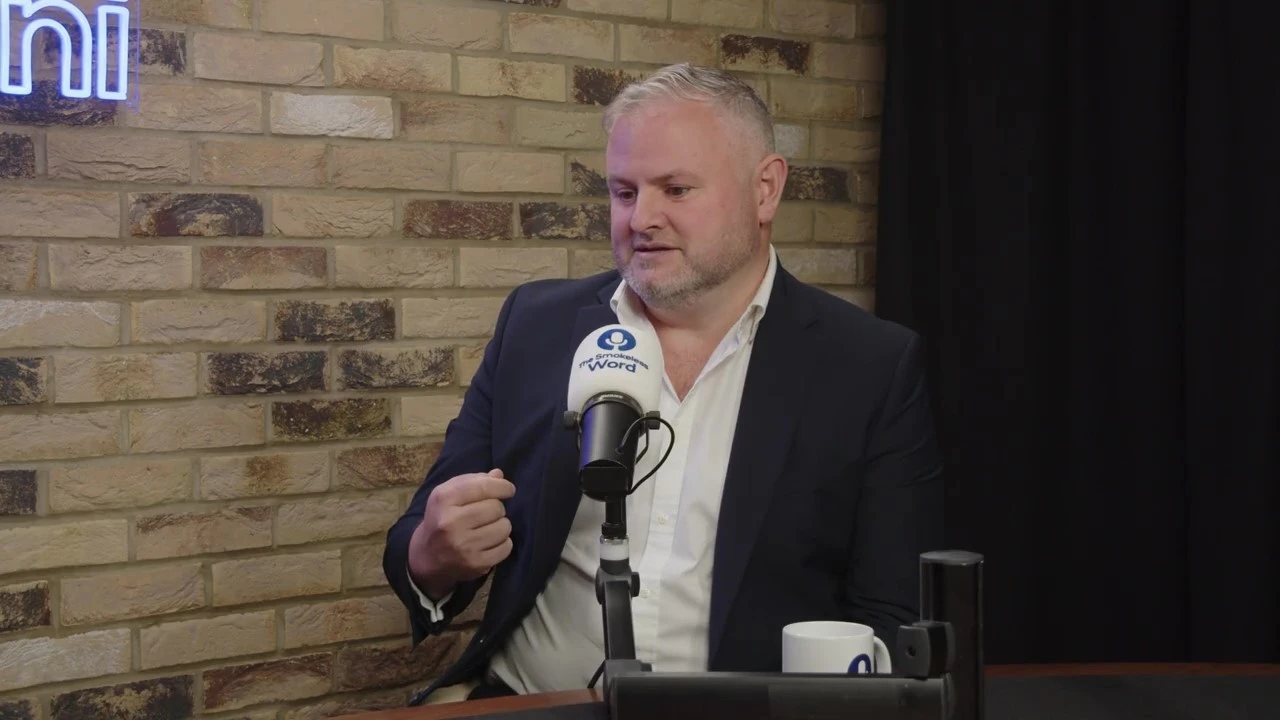
Episode 6: Danni Tower
Danni Tower, BAT's group head of scientific and regulatory affairs, on twenty-five years in R&D and navigating the policy landscape.
-
 Watch now >
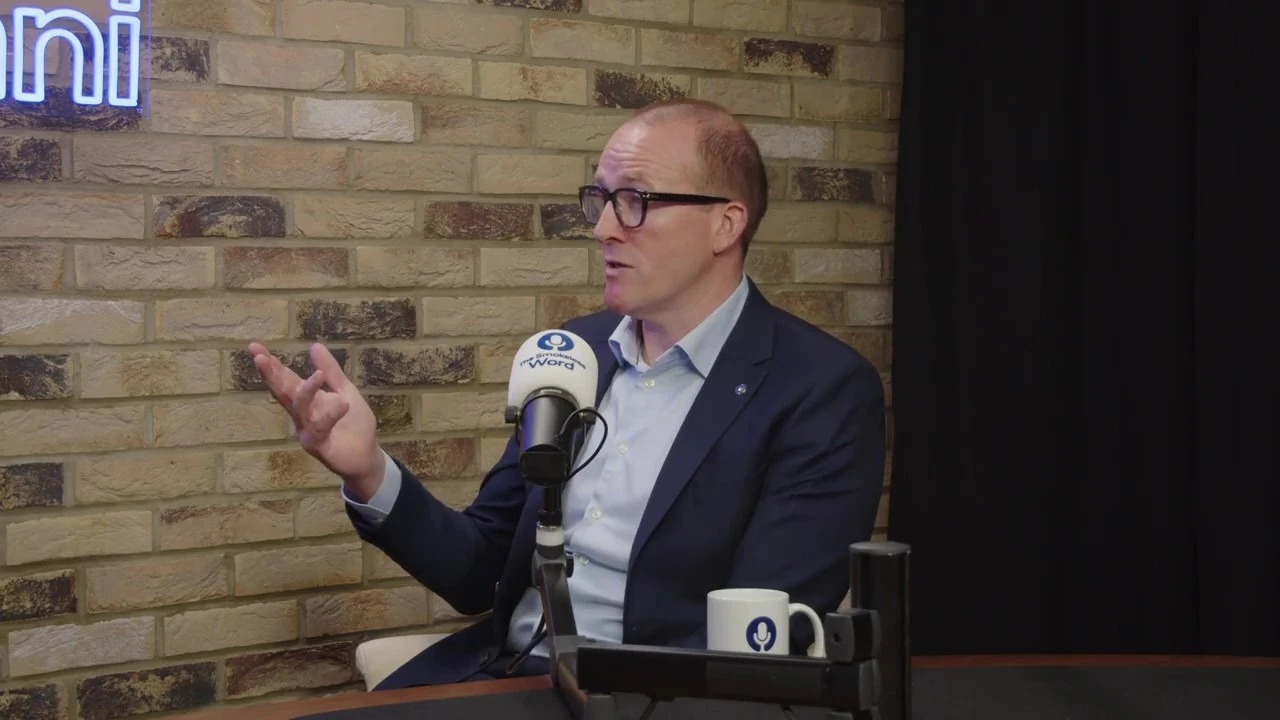
Episode 5: Rt Hon Andrew Stephenson CBE
Former health minister Andrew Stephenson on seven years in government, political change and the role he sees for private sector innovation.
-
 Watch now >
Episode 4: Dr. James Murphy
BAT's director of science and research, Dr James Murphy, on his career in science and the challenge he sees in tobacco harm reduction.
-
 Watch now >
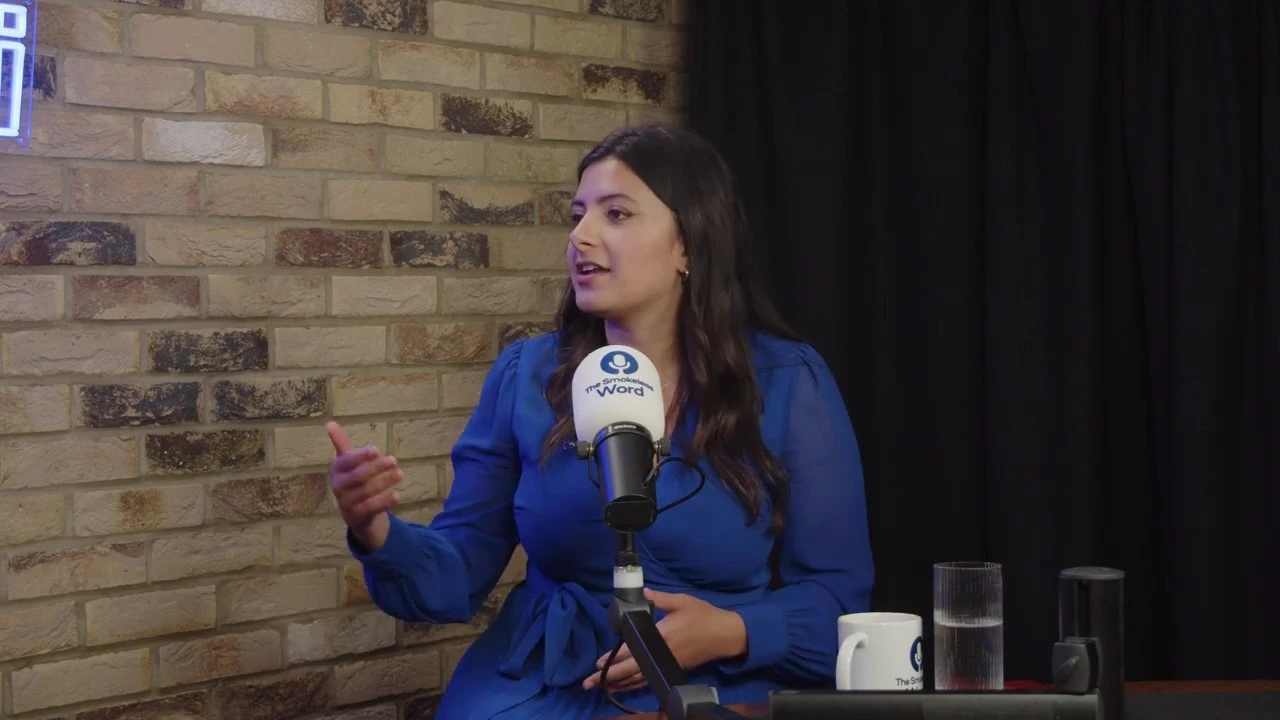
Episode 3: Reem Ibrahim
Reem Ibrahim of the Institute of Economic Affairs on public health policy, harm reduction and political agendas.
-
 Watch now >
Episode 2: Valerie Mras
Valerie Mras, senior vice president of vapour brands at Reynolds American, goes behind the brand in episode two of The Smokeless Word.
-
 Watch now >
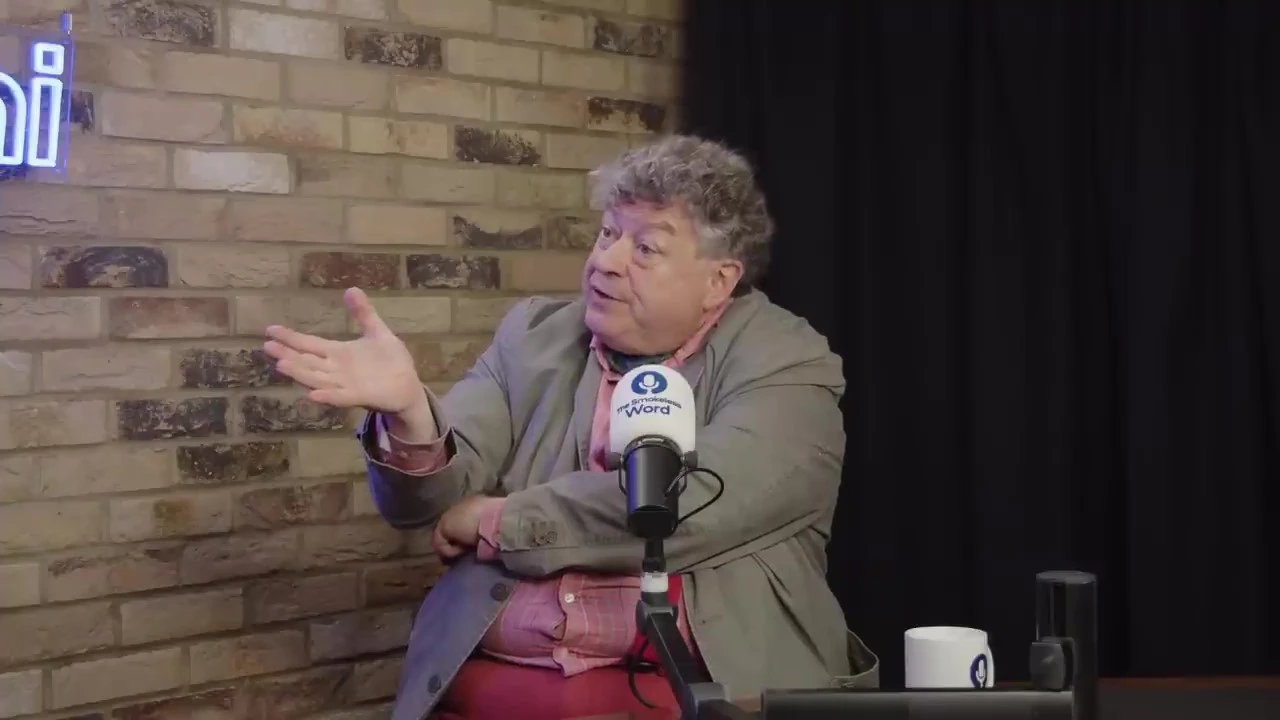
Episode 1: Rory Sutherland
Ogilvy vice chairman Rory Sutherland joins Kingsley Wheaton for the debut episode of BAT's podcast The Smokeless Word.
Exclusive access to the Omni™ Newsletter
Join the conversation shaping A Better Tomorrow™. Sign up to receive exclusive access to the Omni™ Newsletter and future Omni™ updates.
Signing up to the Omni™ Newsletter does not constitute consent to receive marketing communications.