
Product Stewardship and Scientific Assessment
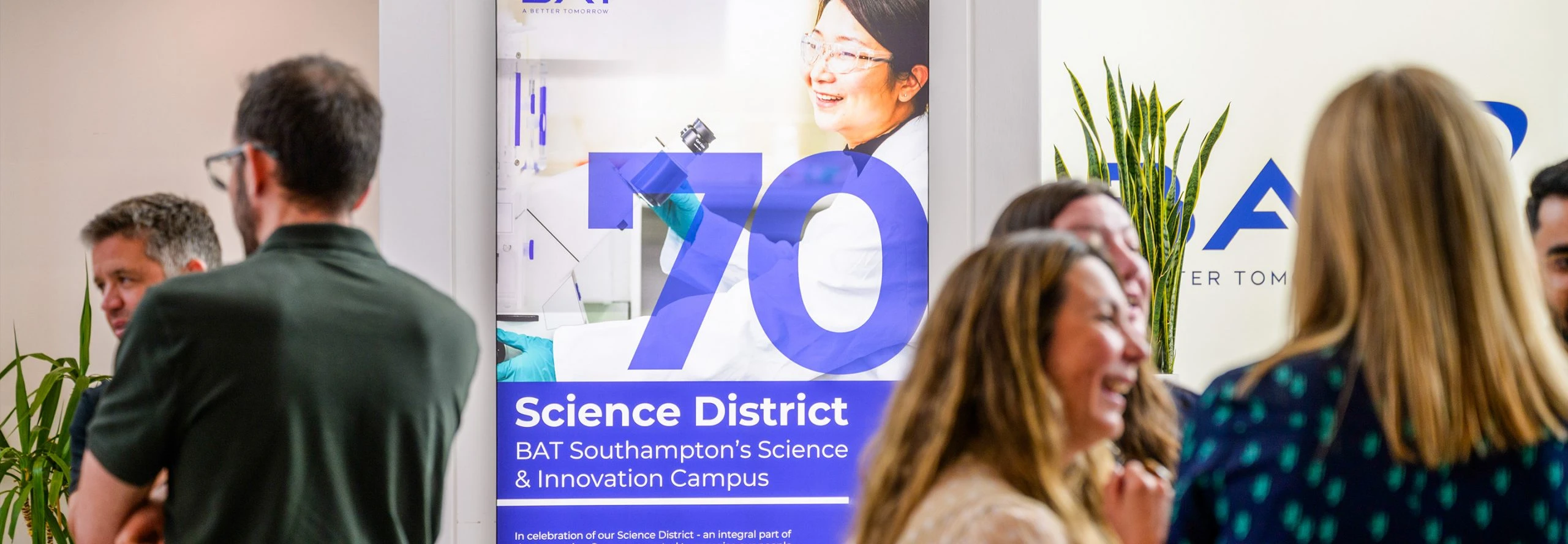
Science-Led Product Stewardship
Responsible product stewardship is a fundamental imperative for our business. We apply rigorous, industry-leading standards to ensure that our products are developed and manufactured responsibly. Our multidisciplinary teams of scientists and toxicologists work in close partnership with product developers, applying rigorous science to actively enable responsible product innovation. Leveraging deep toxicological expertise, extensive consumer insights, and comprehensive product understanding, product assessment is an essential element embedded throughout the product lifecycle.
“We place product stewardship at the forefront of our business. Our toxicology experts rigorously evaluate every aspect of our Smokeless Products, applying advanced scientific methods to maintain the highest standards of product integrity.”
Dr Summer Hanna
Global Head of Toxicology
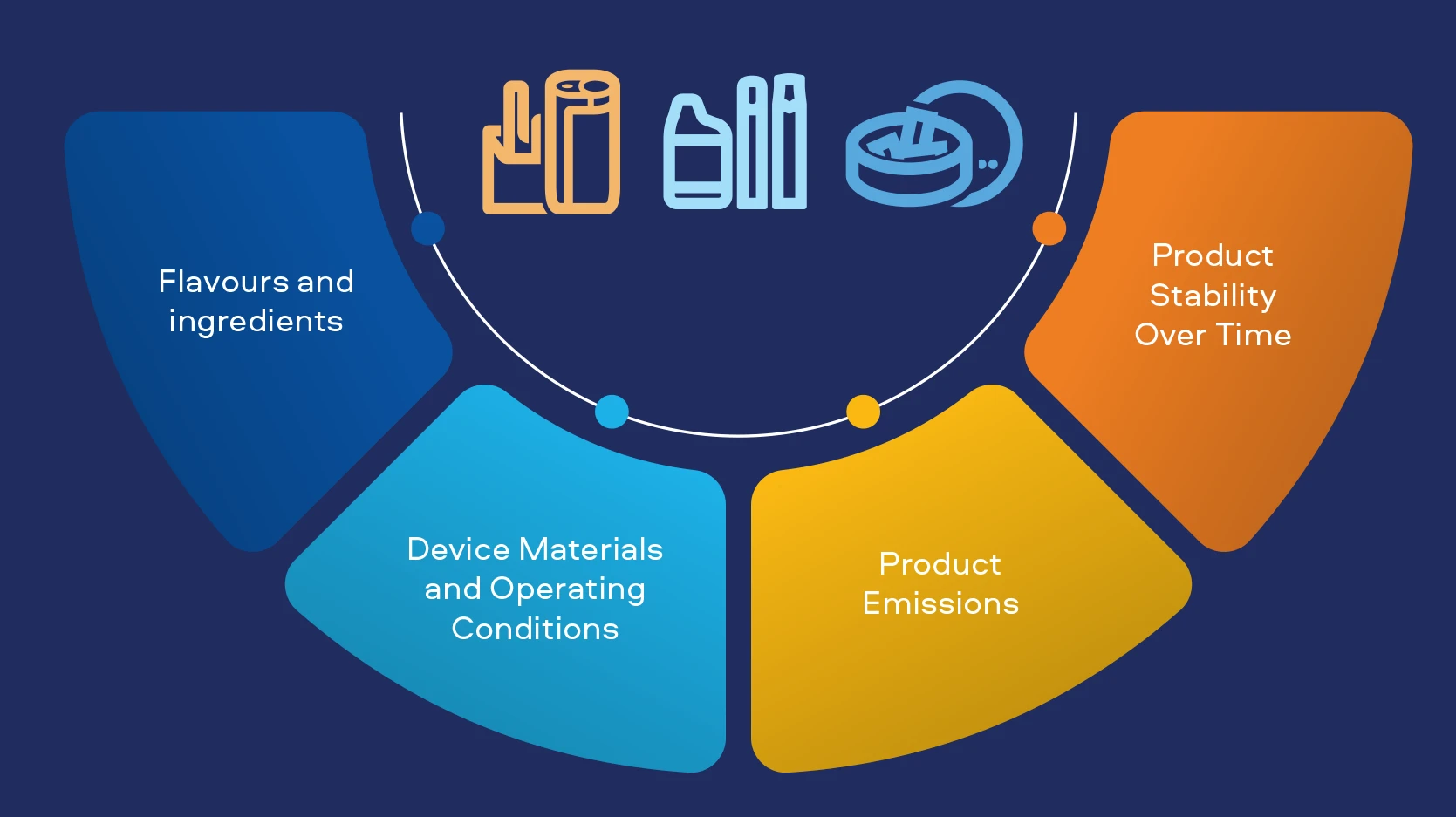
Product safety is evaluated across four core areas:
1.
Flavour and Ingredients
Flavours and ingredients used across the BAT portfolio are subject to rigorous toxicological evaluation to ensure they meet high standards of quality, purity and product integrity. To satisfy BAT’s strict inclusion criteria, all ingredients undergo an acceptable usage level assessment based on established toxicological principles.
Evaluations are conducted by multidisciplinary experts and primarily draw on external, peer reviewed publications. Where insufficient data are available, targeted in silico and in vitro studies are employed, with in vivo testing used only as a last resort when no validated alternatives meet regulatory requirements.
2.
Device Materials and Operating Conditions
We apply a rigorous, multi-level stewardship approach to thoroughly assess device materials. Grounded in deep product knowledge, assessments consider material composition, the operating environment, and consumer exposure. Our toxicologists apply internationally recognised risk assessment principles, supported by targeted testing where necessary, to ensure product compatibility and that device materials across the BAT portfolio meet stringent performance and integrity requirements.
Understanding operating conditions, particularly temperature, is a critical component of these assessments. Temperature assessments are conducted early in development to characterise device performance and ensure operating conditions support material stability under realistic use. Toxicological evaluation of these data confirms that thermal conditions remain within acceptable limits, with additional testing undertaken where needed to validate appropriate operating ranges.
3.
Product Emissions
Emissions are monitored for the presence of toxicants (compounds of interest (COIs)), that may be formed during manufacture, storage or product use. Utilising product design expertise, scientific literature and best-in-class analytical approaches to inform our toxicological assessment paradigms, BAT monitor for the presence of COIs in emissions to ensure that these are within the thresholds determined to be acceptable by regulatory bodies and BAT’s Product Stewardship Council.
4.
Product Stability Over-Time
Product stability ensures that key product characteristics, including those relevant to product integrity, remain within acceptable limits throughout the intended shelf life under defined storage conditions. Stability programmes generate the evidence required to confirm the ongoing validity of the product’s toxicological profile and to establish shelf life.
“Scientific excellence is the foundation of effective product stewardship. Through rigorous assessment, deep toxicological expertise, and a commitment to evidence-based decision making, we work to ensure that every product is evaluated to the highest scientific standards”
Dr Richard Savory
Principal Toxicologist
Conclusion
While no nicotine-containing product is without risk and nicotine itself is addictive, robust product stewardship demands that risks are assessed and managed using the best available scientific evidence.
Our approach applies rigorous toxicological principles across the product lifecycle, from ingredient selection and product design through to manufacture, stability monitoring and post-market scientific evaluation. By integrating scientific rigour, responsible innovation and continuous learning, product stewardship serves not only as a framework for risk assessment and management, but as a commitment to accountability, and the ongoing advancement of public health science.
References
A full list of references for this page can be found in the section 11. References.
Exclusive access to the Omni™ Newsletter
Join the conversation shaping A Better Tomorrow™. Sign up to receive exclusive access to the Omni™ Newsletter and future Omni™ updates.
Signing up to the Omni™ Newsletter does not constitute consent to receive marketing communications.