
Big Question 9 - Are Smokeless Products Associated with Reductions in Smoking?

KEY SUMMARY POINTS
01
Cigarette consumption has declined dramatically over the past decade, during which time the number of adult consumers of Smokeless Products has grown to ~110 million#.
02
In those countries where smoking rates have declined the most dramatically, the availability and use of Smokeless Products is increasing and displacing cigarettes.
“By 2035, our aim is to become a predominantly smokeless business.”
Tadeu Marroco
Chief Executive, BAT
Tobacco has been in use since 6000 BCE, when Native Americans began cultivating and using the tobacco plant[1]. Today, the World Health Organization (WHO) estimates that one billion people smoke globally[2]. Despite long-standing and widespread public awareness of serious health risks, people continue to smoke.
20%
reduction in cigarette consumption between 2012-2023.[3]

Global Cigarette Consumption is Declining
Global cigarette consumption has declined significantly over the past decade and is now at its lowest point in many years. A significant reduction in cigarette consumption, of approximately 20%, was observed between 2012 and 2022 (Figure 1)[3]. By region, Western Pacific (excluding China) and Europe have shown the greatest reduction in cigarette consumption, whereas Eastern Mediterranean has shown the smallest reduction (Figure 2)[3].
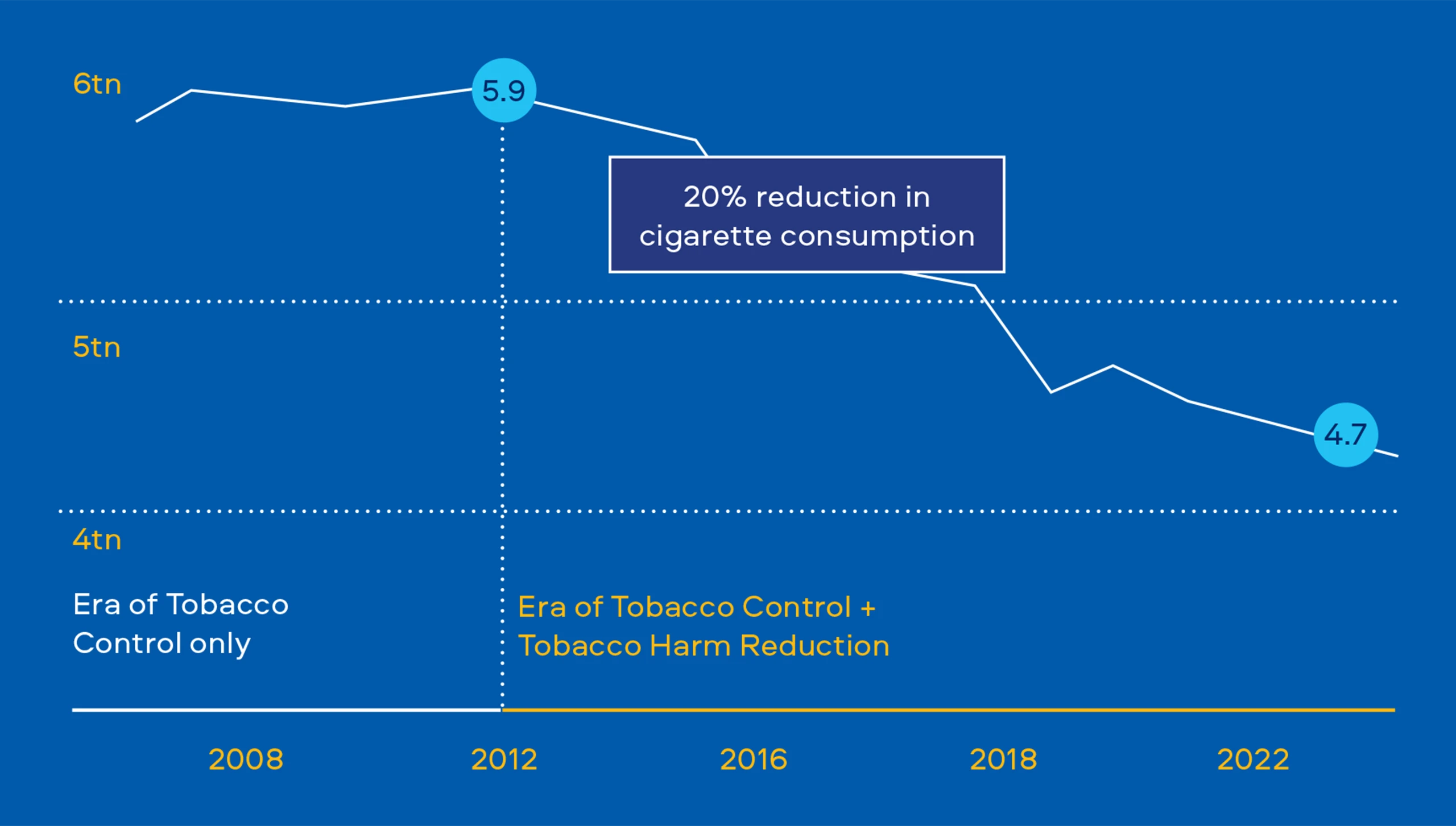
Figure 1. Time-course plot of global cigarette consumption[3]
To understand the drivers of such a significant reduction, we need to look at the annual longitudinal reduction and contextualise it relative to tobacco control measures and Tobacco Harm Reduction (THR). We observed that from 2008 to 2012, in the era of extensive tobacco control measures only, cigarette consumption remained relatively stable at around 5.8-5.9 trillion cigarettes per year, underscoring that tobacco control regulation alone is not a sufficient tool to reduce smoking prevalence.
However, post 2012 when companies started to launch Vapour Products, then Heated Products and Oral Nicotine Pouches, alongside tobacco control measures, cigarette consumption dropped dramatically annually, to the current 4.7 trillion cigarettes consumed per year[3]. To continue to realise this rate of reduction in cigarette consumption, effective and responsible tobacco control measures and Tobacco Harm Reduction should be jointly adopted by governments and public health bodies across the world.
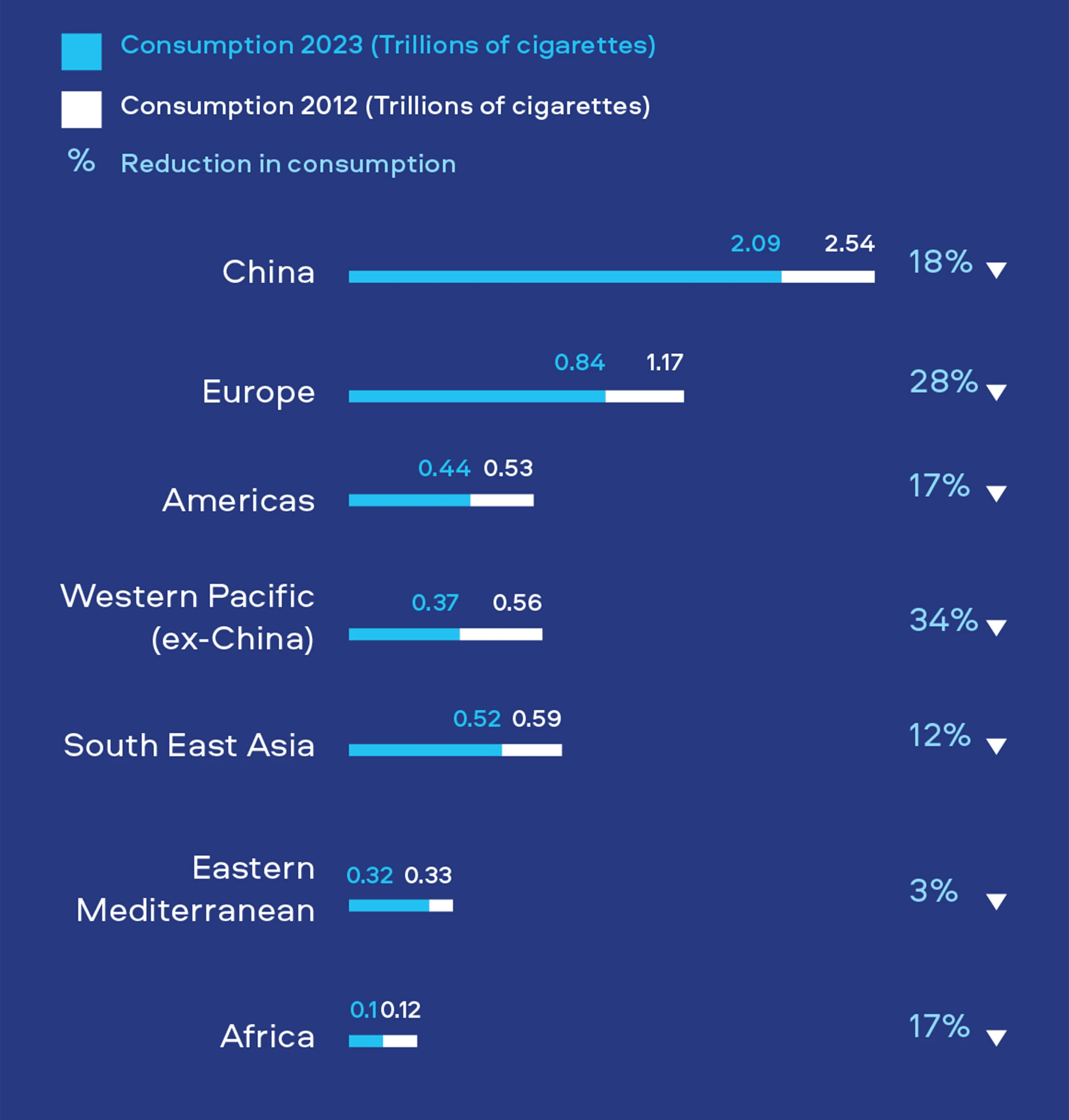
Figure 2. Summary of cigarette consumption 2012-2023[3]
Stakeholders often have diametrically opposed opinions on the issue of driving down global cigarette consumption. But a common thread exists in that all stakeholders are seeking an improvement in public health, while minimising unintended consequences. In terms of the prohibitionary nature of certain strategies, there are a number of likely unintended consequences, including (i) an increase in illicit trade and (ii) the proliferation of unregulated Smokeless Products that do not comply with the safety and quality standards required of regulated products manufactured by accountable companies.
Smokeless Product Use Is Growing
In the past five years, Smokeless Product use has increased with the global number of adult consumers growing by approximately 100%#. With approximately one billion adult smokers globally[2], this equates to around 11% of today’s smoking population.
However, not all the world’s adult smokers have legal access to Smokeless Products. If we consider India and Brazil, two countries that have banned the sale of Smokeless Products, their smoking prevalence is approximately 7% and 11%,^[2] respectively. This equates to approximately 120 million adult smokers^^ without legal access to Smokeless Products. Therefore, excluding these two countries, the total number of global Smokeless Product consumers in comparison to global smokers is >13%‡ (~110 million out of 880 million).
When access to Smokeless Products is examined in the world's 15 most populous countries (Table 1), it is clear that much more can be done to give adult smokers in these countries access to products with a lower-risk*† profile.
We believe that tobacco control measures and THR can work together to reduce cigarette consumption and encourage adults who would otherwise continue to smoke to switch completely to lower-risk*† alternative tobacco and nicotine products. This is aligned with the ambitions of all stakeholders in improving future public health outcomes.
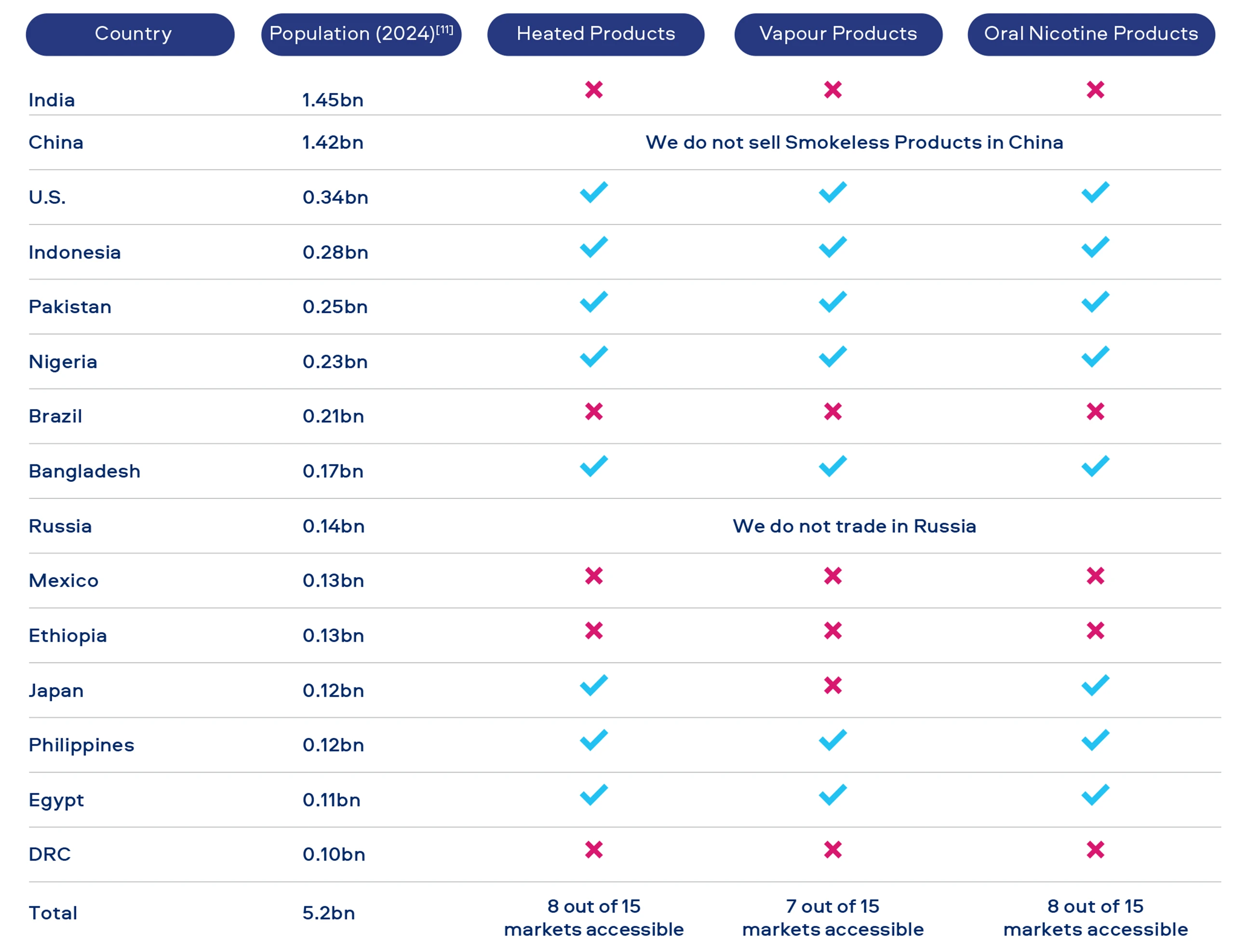
Table 1. Access to Smokeless Products in the world’s most populous countries
Access to Smokeless Products = Greater Smoking Prevalence Reductions
The potential impact of vaping on smoking prevalence can be seen in countries where Vapour Products have become widely available. Figure 3 illustrates decreases in smoking prevalence in the UK, France, Canada, and New Zealand compared with the global average between 2012 and 2018[4]. While the global average reduction in smoking prevalence was 1.5 percentage points over this period, the average reduction across these four countries was 3.6 percentage points. By contrast, in Brazil, where Smokeless Products were not legally available, smoking prevalence declined at a slower rate between 2015 and 2019[5].
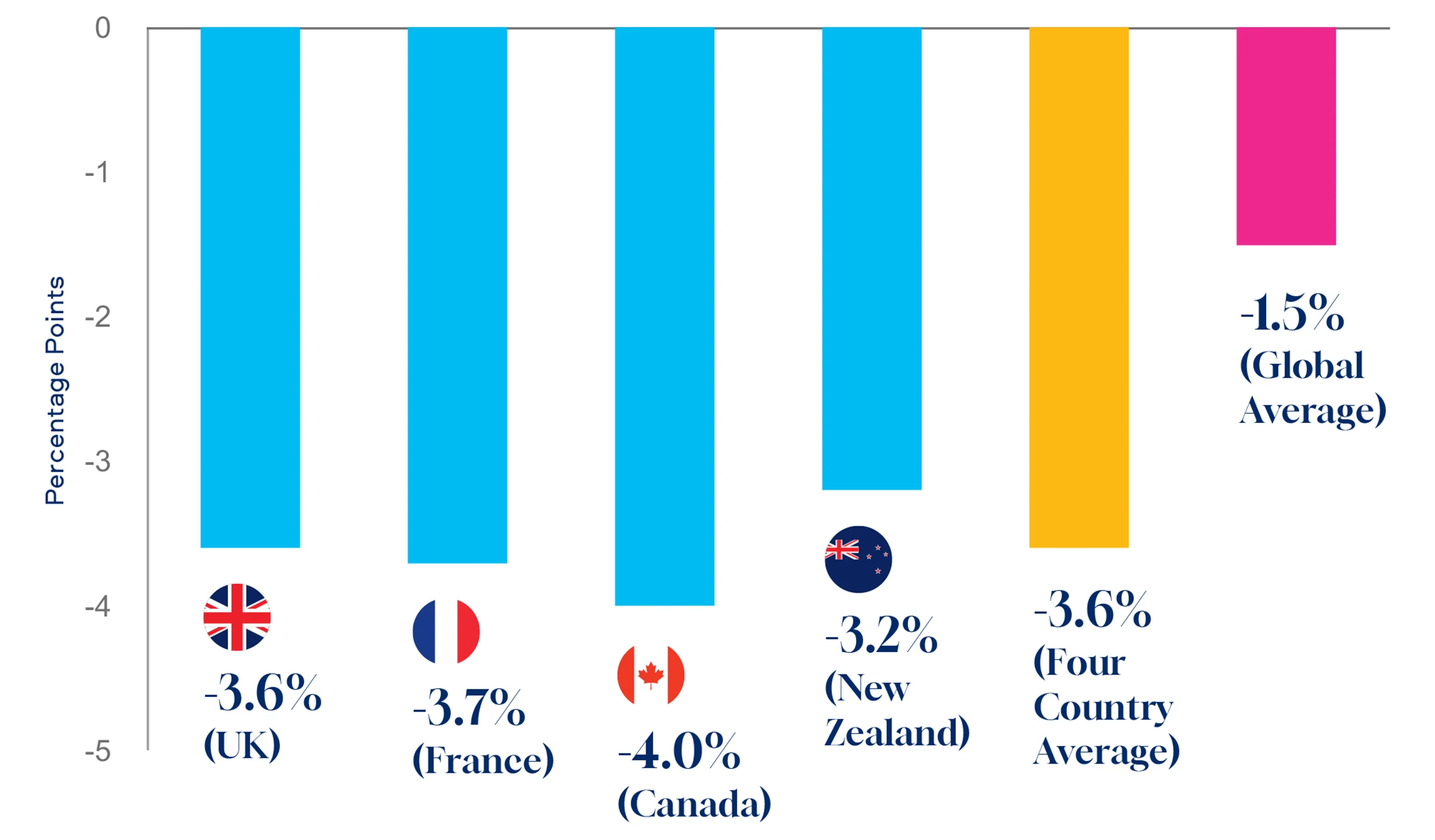
Figure 3. Percentage Point Change in Smoking Prevalence 2012-2018[4]
Footnotes
^ 2019 Population figures: India = 1.38 billion[10], Brazil = 0.212 billion[11]
^^ Only 2019 figures available
‡ Globally, there are more markets that do not allow the sale of Smokeless Products
* Based on the weight of evidence and assuming a complete switch from cigarette smoking. These products are not risk free and are addictive.
† Products sold in the U.S., including Vuse, Velo, Grizzly, Kodiak, and Camel Snus, are subject to FDA regulation and no reduced-risk claims will be made as to these products without agency clearance.
# Adult smokers are adult consumers who smoke daily. Adult smokeless product consumers are adult consumers who use any smokeless product category at least on a weekly basis. BAT smokeless product consumers are defined as adults who consume Vapour, Heating Products, Modern Oral pouches or Traditional Oral pouches at least on a weekly basis. For cross-manufacturer estimates, the smokeless products category excludes Traditional Oral pouches. For full definitions, please refer to the cautionary statement.
References
A full list of references for this page can be found in the section 11. References.

Exclusive access to the Omni™ Newsletter
Join the conversation shaping A Better Tomorrow™. Sign up to receive exclusive access to the Omni™ Newsletter and future Omni™ updates.
Signing up to the Omni™ Newsletter does not constitute consent to receive marketing communications.